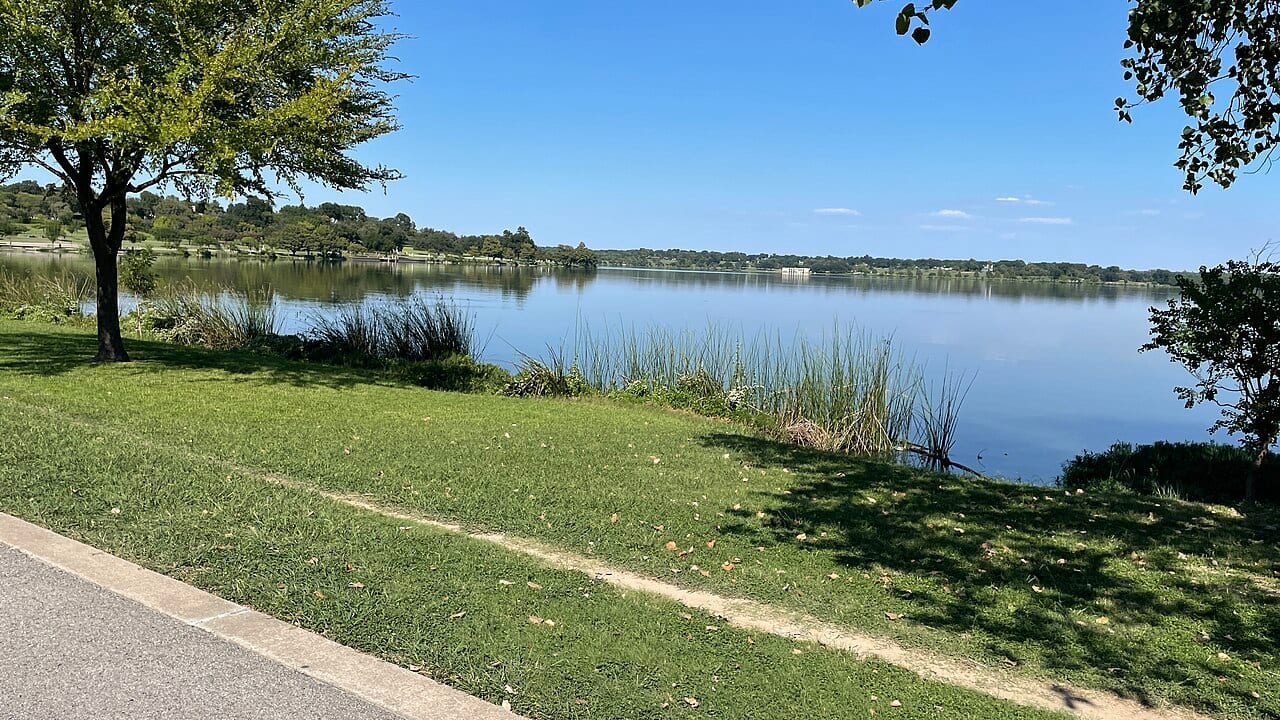
Selecting a walking route is often treated as a spontaneous decision, a quick departure from the front door to catch the afternoon light. However, when a walk involves others, the choice becomes a shared negotiation of comfort, interest, and physical capability. A route that feels invigorating for one person might feel taxing or uninspiring for another, turning a moment of connection into a source of quiet frustration.
Matching the Pace to the Person
The most successful outings begin with an understanding of what each participant expects to gain from the movement. Some seek a vigorous rhythm to clear their heads, while others look for a slow drift through a neighborhood to observe the architecture. Before setting out, ask your companions about their preferred distance and the specific conditions they find most comfortable. A path that is flat and paved offers a different experience than one with elevation changes or uneven surfaces.
Consider the tradeoff between a scenic, winding trail and a direct, efficient sidewalk. While the winding path might offer more visual variety, it often requires more time and energy. For example, if you are walking with a friend who enjoys a brisk pace, a long stretch of a paved park path might be ideal. If you are walking with someone who prefers to stop and look at storefronts, a shorter loop through a commercial district might serve you better.
Navigating Visual and Sensory Preferences
Preferences for what we see can shape the entire character of a walk. Some people find deep satisfaction in the lush greenery of a shaded grove, while others are drawn to the vibrant, moving energy of a busy street corner. This is particularly relevant when walking with someone who has a strong visual preference but may not have articulated a specific practical need for it. They might be drawn to specific colors, light patterns, or architectural details that dictate where they want to turn or how long they want to linger.
Imagine a scenario where a walking partner is captivated by the way sunlight hits the glass of a particular building or the specific arrangement of a garden. If you have not discussed these inclinations, you might inadvertently push for a faster pace that bypasses the very things they find meaningful. Instead of assuming a standard route is best, observe how they react to different surroundings and ask what kind of scenery helps them feel most at ease.
Establishing the Terms of the Trip
Even the best-laid plans encounter reality. Weather shifts, unexpected construction, or simple fatigue can alter the trajectory of a stroll. Rather than waiting for a moment of discomfort to arise, agree beforehand on how you will handle changes in the plan. Ask your group how they would like to signal when it is time to turn back or head toward a resting point.
It is also wise to verify the current information regarding your intended route. Check for any recent updates concerning path closures or local disruptions. By discussing the distance, the scenery, and the exit strategy before you take the first step, you ensure the walk remains a shared pleasure rather than a logistical challenge.