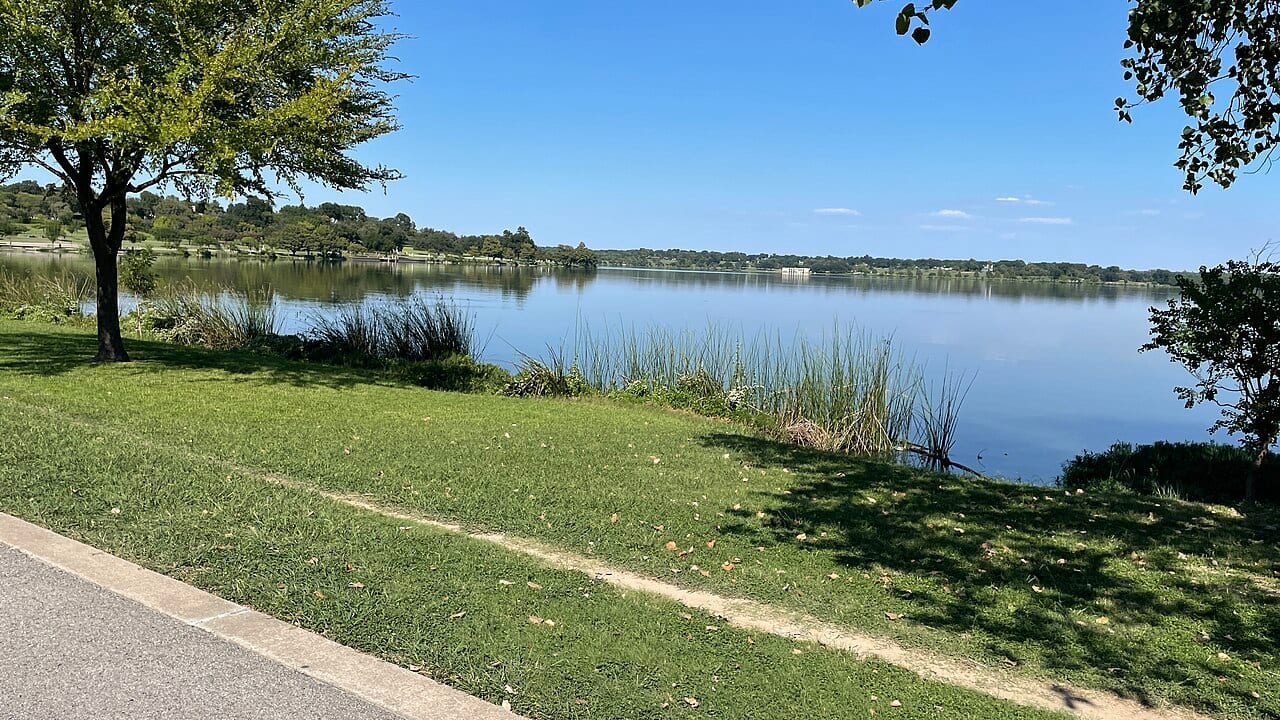
A single, well-chosen destination can serve as the heartbeat of a day trip. Rather than attempting to check off a dozen landmarks or dining spots, focusing on one primary reason to travel allows the landscape and the local culture to settle in. This approach shifts the priority from the quantity of stops to the quality of the engagement.
The Weight of a Single Anchor
The temptation to maximize a short window of time often leads to a schedule that feels more like a checklist than a reprieve. When you choose one main event—perhaps a specific botanical garden, a particular historical site, or a local festival—you create a natural center of gravity for your day. This anchor provides a sense of purpose without the pressure of a ticking clock.
For example, if you decide that the primary goal of your trip is to visit a specific river access point for a morning of quiet observation, the rest of your day becomes flexible. You might find a local cafe nearby for lunch, or you might decide to spend three hours sitting by the water instead of one. The decision to prioritize the activity over the itinerary gives you the freedom to respond to how you actually feel once you arrive.
Verifying the Details
Because local enterprises and seasonal attractions can change their operations, the first step in a successful outing is confirming that your anchor is actually available. Relying on outdated information can derail the entire intention of the trip. Before you depart, reach out to the provider to ensure their current offerings align with your expectations.
Ask the venue about their current hours of operation and if any specific sections of their grounds or facilities are temporarily unavailable. You might also ask if there are any recent changes to how they manage visitor entry or if certain amenities, such as shaded seating or specific amenities, are currently accessible. Getting these answers directly from the source prevents the frustration of arriving to find a closed gate or a restricted area.
Balancing Pace and Presence
The most significant tradeoff in a focused day trip is the loss of variety in exchange for depth. You are intentionally bypassing the "must-see" list of a broader tour to immerse yourself in one thing. This requires a willingness to accept that you may not see everything a region has to offer, but you will likely see your chosen destination with much greater clarity.
To make this work, leave intentional gaps in your planning. If your main activity concludes in the early afternoon, do not immediately book a secondary appointment. Instead, observe the local rhythm. Watch how the light hits the buildings or how the locals interact in a nearby square. If you find yourself wanting to stay longer, stay. If you find the activity was enough, head home early. The success of the trip lies in whether the main activity allowed you to settle into a different pace, rather than how many miles you covered.