The logistics of a group outing often hinge on a single, delicate decision: whether to keep everyone tethered to the same schedule or to permit a branch in the itinerary. While the impulse is to maximize time spent together, a rigid plan can inadvertently create friction when individual interests or energy levels begin to diverge.
The Shared Foundation
A successful group trip begins with a core set of shared commitments. These are the anchors—the meals, the central transit moments, or the primary destination—that provide a sense of unity. By establishing these fixed points early, you create a framework that allows for flexibility elsewhere. The goal is to ensure that the group feels connected without feeling constrained by a relentless, singular pace.
When designing these anchors, consider the tradeoff between density and breathing room. A schedule packed with back-to-back activities might satisfy a high-energy traveler, but it can leave others feeling rushed or exhausted. Conversely, an overly sparse itinerary might leave those seeking engagement feeling adrift. The most effective approach involves selecting a few meaningful communal experiences and leaving the gaps between them intentionally open.
Managing the Divergent Path
The most challenging moment in any group itinerary is the handoff—the point where one subset of the group decides to pursue an optional activity while others opt for rest or a different interest. This requires clear communication before the trip begins to avoid any sense of abandonment or obligation.
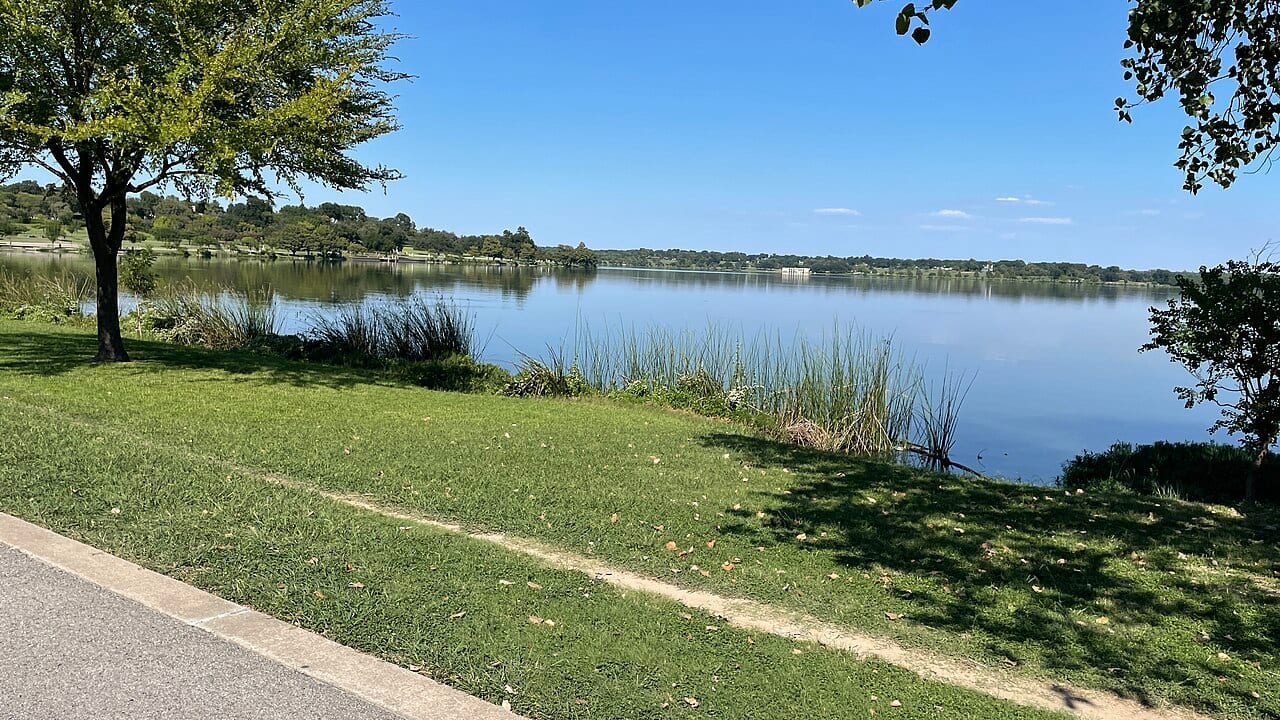
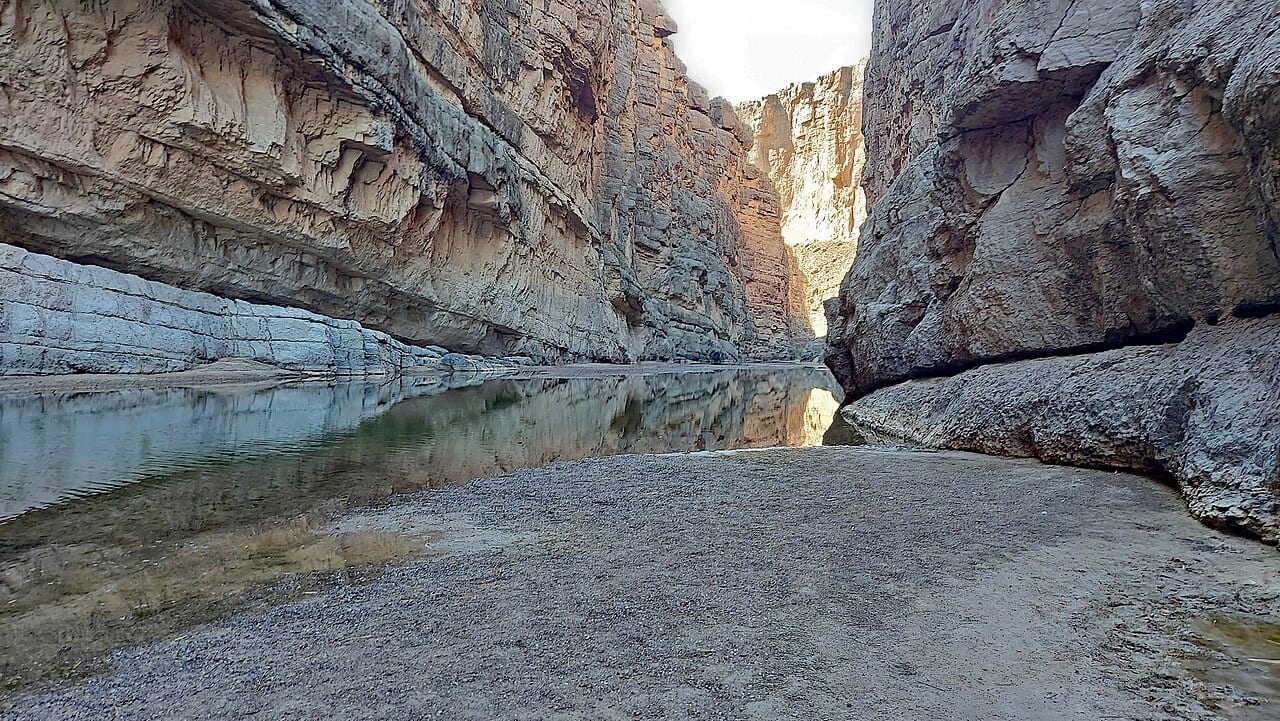
For example, if a group is visiting a region known for both its intense hiking trails and its quiet, shaded botanical gardens, the midday period offers a natural branching point. One group might head toward the rugged terrain while the other seeks a slower pace among the flora. The key is to decide in advance how and when the two groups will reconvene. Without a predetermined meeting time or location, the transition from a shared experience to an individual one can feel disorganized rather than liberating.
Assessing Personal Capacity
Stamina is a variable that is difficult to predict until the trip is underway. A morning of exploration might leave one person energized for an afternoon excursion, while another may find themselves needing a quiet afternoon in a hotel room or a local cafe. Recognizing this difference is not a failure of planning, but an acknowledgment of human reality.
When the group reaches a decision point, ask those who are opting out what their specific needs are for the intervening hours. If the group is deciding between a strenuous outdoor activity and a more sedentary cultural site, consider how each choice impacts the ability to participate in the evening's shared meal. If you are unsure how a specific activity might affect the group's overall flow, ask the local guide or venue coordinator how they typically accommodate varying paces and physical requirements.
Ultimately, the strength of a group itinerary lies in its ability to honor both the collective and the individual. By planning for the branch, you ensure that the shared moments remain meaningful rather than becoming a source of compromise.