A "Deluxe Suite" or a "Premier King" sounds like a definitive upgrade, but these titles often function more as marketing descriptors than functional blueprints. When booking a room for a trip across Texas, the name on the screen tells you very little about how the physical space will accommodate your specific habits or the items you carry with you.
The Gap Between Description and Utility
Standard booking descriptions focus on the centerpiece of the room—the bed, the view, or the square footage. While these details are important, they rarely address the granular ways a room integrates into a traveler's routine. A room can be spacious yet poorly organized, offering plenty of floor space but very little surface area for anything other than sleeping and walking.
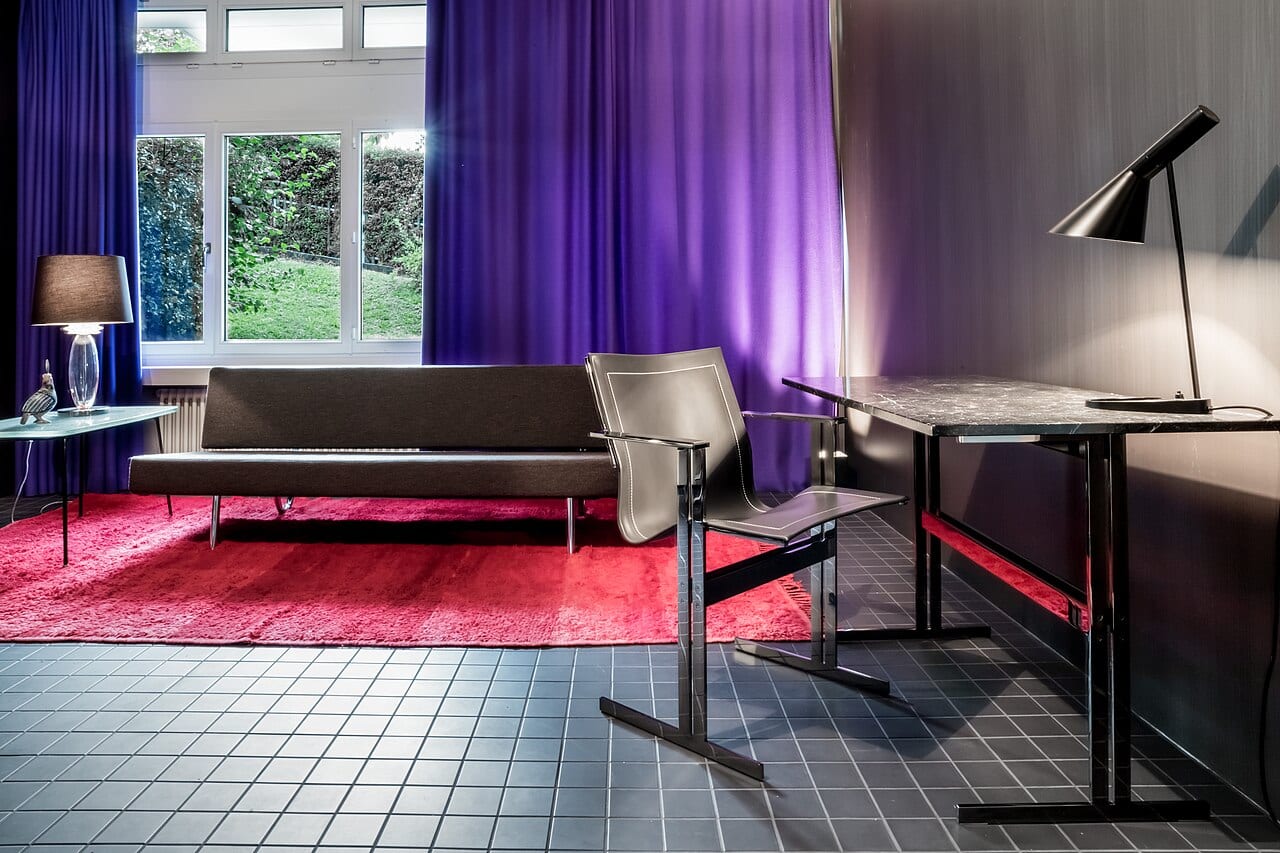
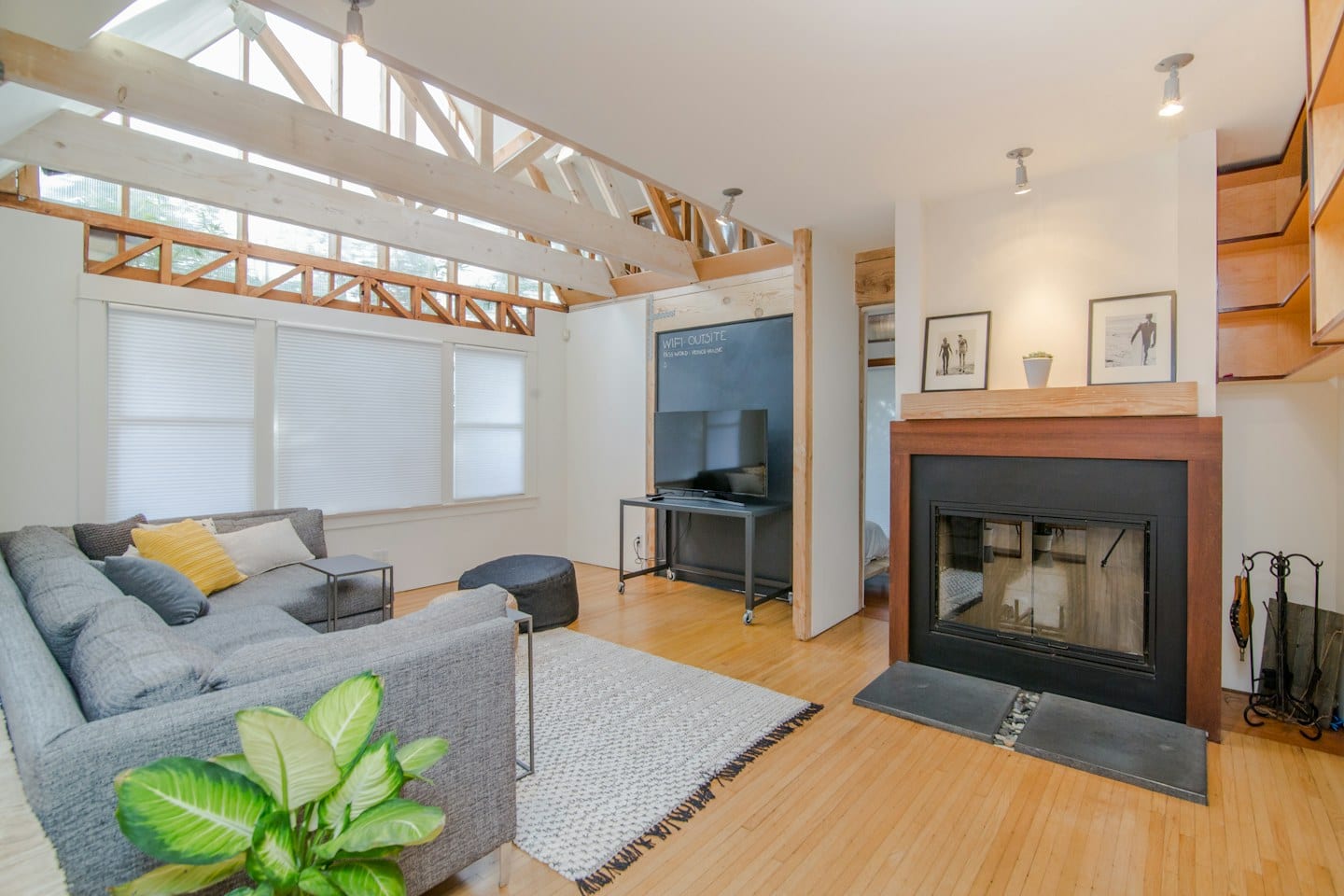
Consider the distinction between a room that offers a large open area and one that provides functional zones. A wide-open studio layout might feel grand, but it can lack the specific surfaces needed to separate your living space from your workspace or your dining area. You might find yourself balancing a laptop on a bed or trying to find a flat surface for a coffee cup in a room designed primarily for lounging.
Managing the Paperwork Problem
For some travelers, the primary concern isn't the view, but the management of physical documents. If your work or personal business involves carrying folders, ledgers, or various printed materials, a room with only a small bedside table and a cramped desk becomes a liability. Without dedicated, flat, and secure areas to spread out or stack papers, your organizational system can quickly collapse.
For example, if you are traveling for a series of meetings, you may need to review several different documents simultaneously. A room that prioritizes a large, plush armchair over a wide, sturdy desk creates a tradeoff: you gain comfort but lose the ability to keep your files organized and accessible. You might find your important documents scattered across the bed or tucked into corners just to keep them from being crushed.
Questions for the Front Desk
Rather than relying on the room category, use the direct inquiry to bridge the gap between the advertisement and your reality. When calling a property, ask specific questions about the furniture and the layout. Ask if the desk is a standalone piece of furniture or if it is integrated into a larger console. Ask about the availability of additional surfaces, such as side tables or credenzas, that could serve as secondary workspaces.
If you require a specific type of surface to keep your documents from being lost or damaged, ask the staff how the room is configured for work. Does the room include a dedicated area for organizing items, or is the furniture primarily intended for relaxation? By focusing on the furniture's utility rather than the room's name, you can ensure the space supports your actual needs rather than just your desire for a specific label.