A crumpled receipt from a roadside diner or a blurry photo of a trailhead sign often serves as the only evidence of a great weekend. While these scraps capture a moment, they rarely provide the clarity needed to replicate a successful trip. To turn a single excursion into a repeatable tradition, consider maintaining a structured notebook that separates what you know from what you still need to discover.
Categorizing the Details
The most effective travel logs do more than list locations; they distinguish between hard facts and personal impressions. When you visit a new town, try dividing your entries into three distinct categories: confirmations, observations, and unanswered questions. Confirmations include the non-negotiables, such as the specific date a local museum was open or the exact name of the boutique hotel where you stayed. Observations focus on the sensory experience—the way the light hit the canyon walls at dusk or the specific texture of a handmade ceramic bowl you admired.
The third category, unanswered questions, is perhaps the most valuable for the next traveler. Did the local ferry operate on a seasonal schedule? Was the hiking path shaded or exposed to the midday sun? Recording these gaps ensures you don't spend your next trip rediscovering the same logistical hurdles. By separating what you witnessed from what you merely assumed, you create a reliable record that survives the fog of memory.
The Value of Timestamps
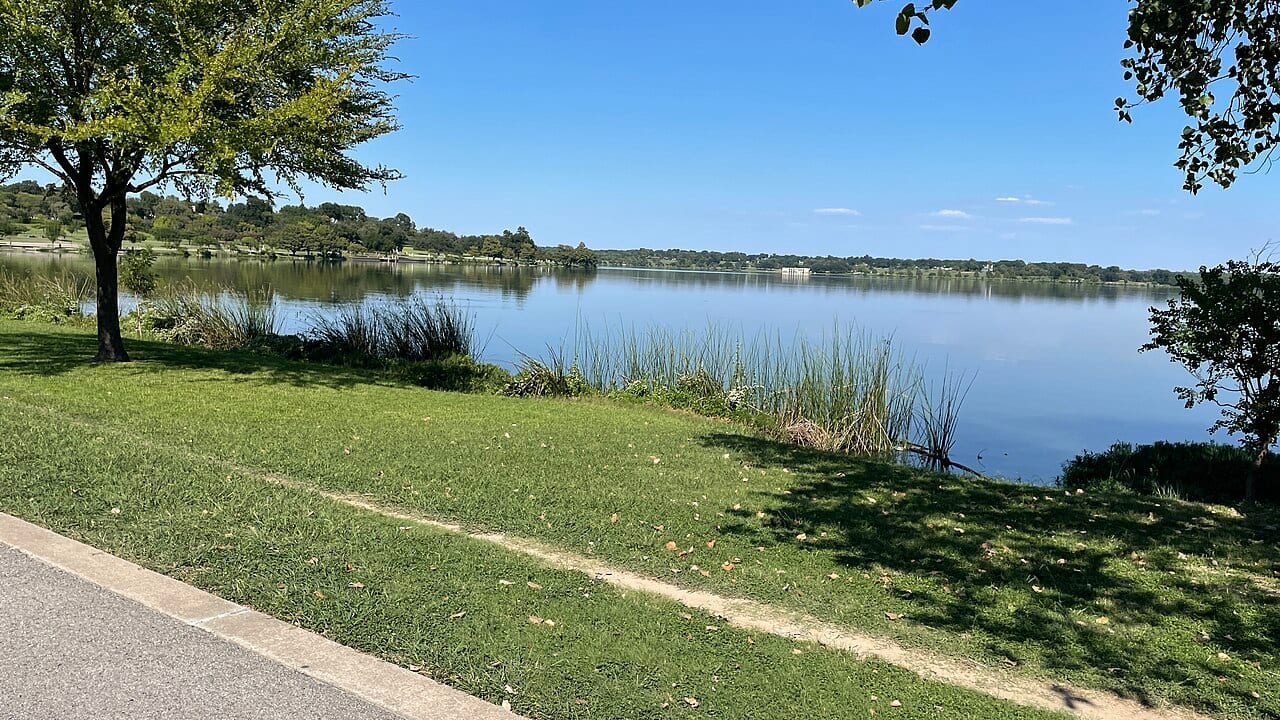
Context is everything. A note that says "great tacos" is useful, but a note that says "tacos at 11:00 PM on a Tuesday, October 12" provides much more utility. Knowing the timing of an experience allows you to account for seasonal shifts or local rhythms. For example, if you find a quiet, peaceful park, knowing whether you were there during a weekday morning or a Saturday afternoon helps you decide when to return for that same tranquility. A timestamp turns a vague memory into a temporal data point, allowing you to map out the cadence of a town's life.
Navigating the Tradeoffs
There is a constant tension between the desire to be fully present and the urge to document everything. A detailed notebook offers the benefit of precision, but it can also become a distraction that pulls you away from the very scenery you traveled to see. For instance, if you spend twenty minutes meticulously recording the menu items of a local cafe, you might miss the conversation at the next table or the unique atmosphere of the room.
For example, if you are planning a multi-stop driving tour through the Hill Country, you might face a choice between a high-density log and a streamlined one. A high-density log might include every gas station stop and every shade of green in the brush, while a streamlined log might only capture the primary destinations and one standout meal. The tradeoff is between a comprehensive archive and a quick-reference guide. You must decide if your goal is to build a historical record or a practical cheat sheet for a quick weekend return.
Refining Your Inquiry
When your notes reveal gaps in your knowledge, use them to prepare for your next move. If you find yourself wondering about the specific requirements for a local permit or the best way to access a remote trailhead, ask the relevant local authority or a park ranger during your next visit. Ask which specific access points are recommended for the time of year you plan to return, and confirm which seasonal closures might affect your route. By treating your notebook as a living document, you ensure that every trip becomes a foundation for the next. A well-kept notebook means that your next departure begins with clarity rather than guesswork.