A new storefront window or a sidewalk A-frame serves as a silent ambassador for a local business. It is the first physical touchpoint for a passerby, signaling whether a shop is a quick stop for coffee or a destination for a curated boutique experience. Transitioning from a digital presence to a physical one involves a shift in how a brand is perceived, moving from a screen to the textured reality of a Texas streetscape.
Defining the Visual Intent
Before reaching out to a provider, consider the specific role the sign will play. A sign is rarely just a name; it is a tool for communication. Is the goal to catch the eye of a driver moving at thirty miles per hour, or to invite a pedestrian to pause and look at a menu? The intended audience dictates the scale, the contrast, and the placement of the message.
Gathering your existing assets is a critical first step. If you have established branding, prepare your high-resolution photographs and digital files. Having these ready allows for a more meaningful conversation about how a two-dimensional logo translates onto a three-dimensional surface. A design that looks striking on a smartphone may require adjustments to remain legible under the direct glare of the afternoon sun.
Navigating the Practical Tradeoffs
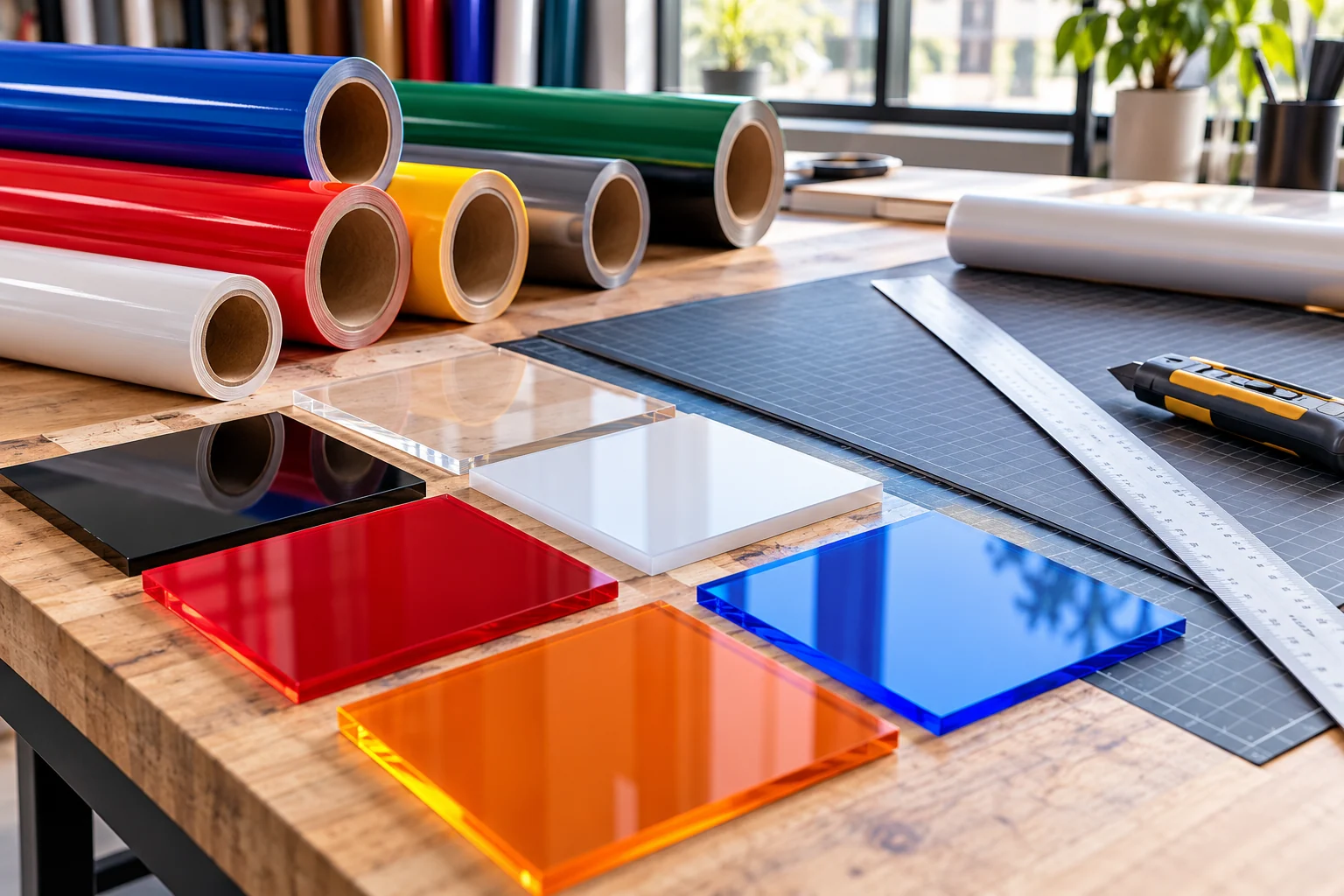
Every choice in signage involves a balance between aesthetic impact and environmental durability. For example, if you are choosing between a hand-painted wooden sign and a backlit acrylic display, you are weighing the charm of traditional craftsmanship against the visibility provided by artificial light. One offers a specific cultural texture, while the other offers constant presence after dusk.
Imagine you are opening a small workshop in a historic district. You might lean toward a classic, understated aesthetic to respect the neighborhood's character. However, if your business relies on evening foot traffic, that same understated design might struggle to attract customers once the sun sets. You must decide which priority serves your specific business model more effectively.
Asking the Right Questions
When you make that initial inquiry, move beyond the simple request for a quote. A professional provider can offer insights into the physical reality of your vision. Ask the provider how they would approach the specific site conditions you have described, such as wind exposure or sunlight angles. It is also useful to ask how your provided photographs and files will be integrated into the final product.
Beyond the aesthetics, there are external factors that influence what can actually be installed. Ask the provider which local approvals might be necessary for your specific sign type and who would be responsible for managing those arrangements. Confirming these details early prevents a beautiful design from becoming a logistical hurdle.
A successful first inquiry is less about receiving a final price and more about establishing the boundaries of what is possible. By presenting your intended audience, your visual assets, and your specific site needs, you turn a simple transaction into a collaborative process of bringing a brand into the physical world.