The ritual of the evening takeout order is a cornerstone of city life. Whether it is a Friday night feast or a quick midweek meal, the transition from a restaurant kitchen to your dining room table involves a series of handoffs. While the food is the centerpiece, the success of the meal often rests on the small details of how that food is requested, prepared, and identified once it arrives at your door.
Managing the Specifics
Ordering for a group introduces a layer of complexity. When preferences vary, the clarity of your request determines the accuracy of the meal. It is helpful to communicate modifications directly to the provider to ensure your specific needs are met. Instead of assuming a standard preparation, ask the restaurant how they handle particular requests or if they can accommodate specific adjustments to an order.
Consider the tradeoff between simplicity and precision. A broad order is easy to place but leaves room for error; a highly detailed order reduces error but requires more effort from the kitchen staff. Finding the balance means being concise yet explicit about what is required for each person in your party.
The Visual Preference Dilemma
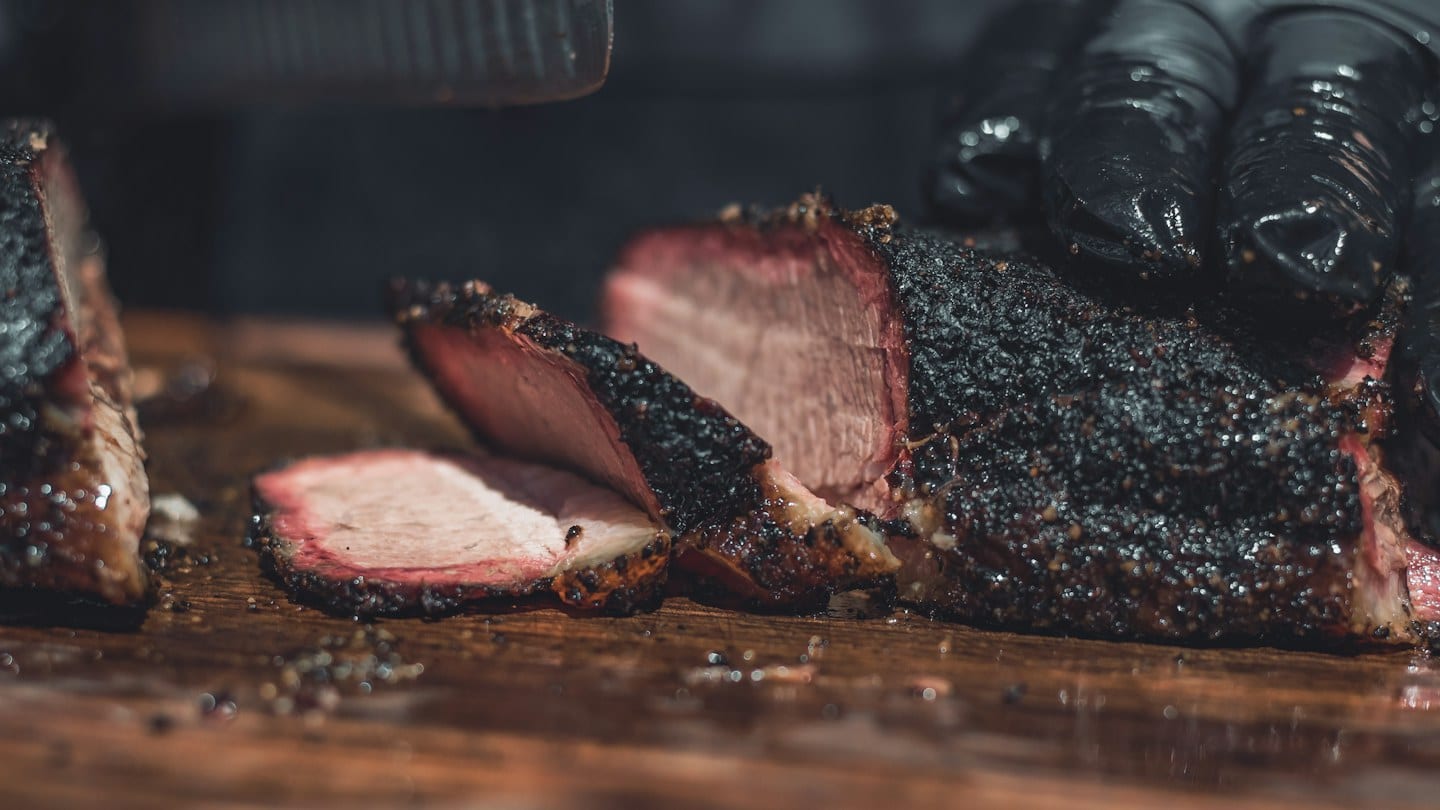
Some diners find themselves driven by a strong visual preference for how their food is presented. You might find yourself craving a meal that looks a certain way—perhaps a specific arrangement of colors, textures, or garnishes—even if you cannot pinpoint exactly why that aesthetic matters to your experience. This desire for a certain "look" can be a powerful motivator when choosing a restaurant, yet it can be difficult to translate into a practical instruction for a busy kitchen.
For example, if you are drawn to the vibrant, layered appearance of a specific salad or the precise stacking of a sandwich, you might feel a sense of disappointment if the takeout container arrives with the ingredients jumbled or separated. The tradeoff here is between the aesthetic satisfaction of a plated meal and the practical necessity of food staying fresh and intact during transit. You may need to decide if the visual appeal is worth the potential mess of a travel-ready container.
Labeling and Logistics
Once the bags arrive, the final challenge is ensuring the right food reaches the right person. In a household with multiple orders, a pile of containers can quickly become a guessing game. To avoid the frustration of someone receiving the wrong meal, take a moment to label your containers. A simple piece of masking tape or even a quick note on the lid can distinguish a spicy dish from a mild one, or a vegetarian option from a meat-based one.
When the delivery arrives, check the contents against your original request. If something appears missing or incorrect, ask the provider about their process for addressing order discrepancies. Organizing your meal from the moment of the initial phone call or digital click to the moment the lid is lifted ensures that the focus remains on the food rather than the logistics of the delivery.