A beautifully set table and a stack of linen napkins can feel like a heavy weight when you realize you are the only person in the kitchen. For many hosts, the desire to provide a curated dining experience often results in a frantic evening spent hovering over a stove while guests settle into conversation without you. You might find yourself stuck in a loop of indecision, reopening the same questions about your menu or your guest list, searching for a way to relax while simultaneously managing every detail of the meal.
Balancing Complexity and Presence
The tension of hosting often begins with the menu. There is a natural urge to select a series of complex, impressive dishes, but this creates a specific tradeoff: a spectacular meal versus a host who actually participates in the social rhythm of the evening. If you choose a menu that requires constant, active attention, you are choosing to be a service provider rather than a participant.
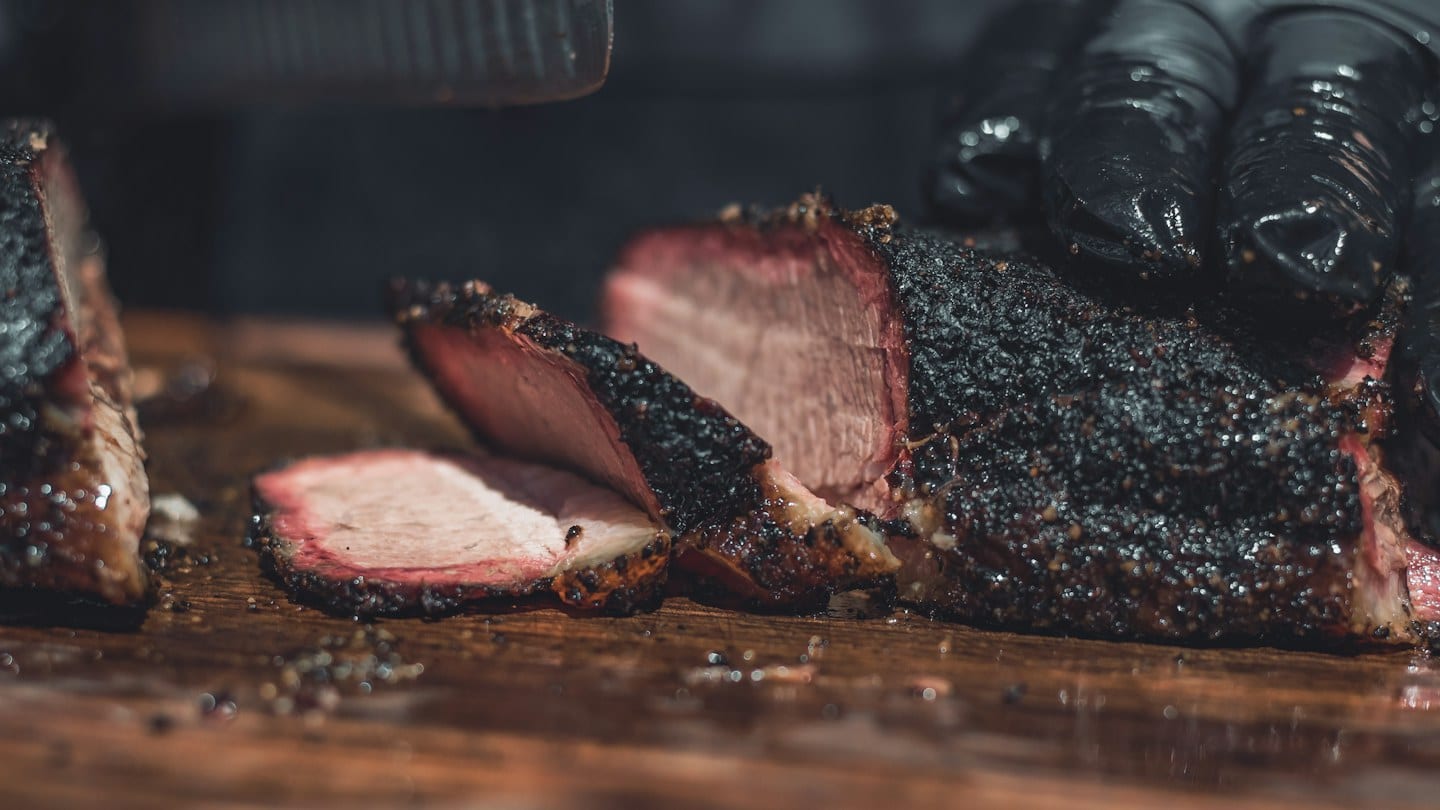
Consider the balance between dishes that require precise, last-minute timing and those that can sit comfortably at room temperature or be finished with minimal effort. For example, if you decide to serve a slow-roasted protein that rests for thirty minutes, you gain a window of time to sit with your guests. If you instead opt for a delicate pan-seared dish that must be served the moment it leaves the heat, you have effectively scheduled your own absence from the table. The decision is not about the quality of the food, but about the presence of the person serving it.
Distributing the Evening's Work
To move past indecision, move toward a clear division of labor. A shared dinner works best when the responsibilities are distributed before the first guest arrives. Instead of wondering if you should do everything yourself, decide which elements of the meal are yours to own and which can be brought by others. This is not merely about asking people to bring a bottle of wine; it is about structuring the meal so that the work is shared.
You might ask your guests what specific components they would prefer to contribute. One person might handle the appetizers, while another brings a side dish or a dessert. This allows you to focus your energy on the primary centerpiece of the meal, ensuring that the core of your vision remains intact while the surrounding details are supported by the group. This approach transforms the evening from a performance into a collective effort.
Defining the Transition to the Table
The final hurdle is the transition from the kitchen to the dining room. A common pitfall is attempting to manage both the physical preparation of food and the flow of conversation simultaneously. To avoid this, separate your tasks into two distinct phases: the assembly and the hosting. Ask yourself which tasks can be completed entirely before the doorbell rings. If a dish requires assembly, can that assembly happen in a way that does not require you to stand at the counter for twenty minutes while your guests are seated?
By deciding on these arrangements in advance, you can stop revisiting the menu and start enjoying the company you invited. The goal is to reach a point where the kitchen is a place of quiet completion rather than a stage for frantic activity. Once you have defined what you will cook, what others will bring, and what can be finished before guests arrive, the decision is finally made. You can then step away from the planning and toward the table, ready to eat alongside those you have gathered.