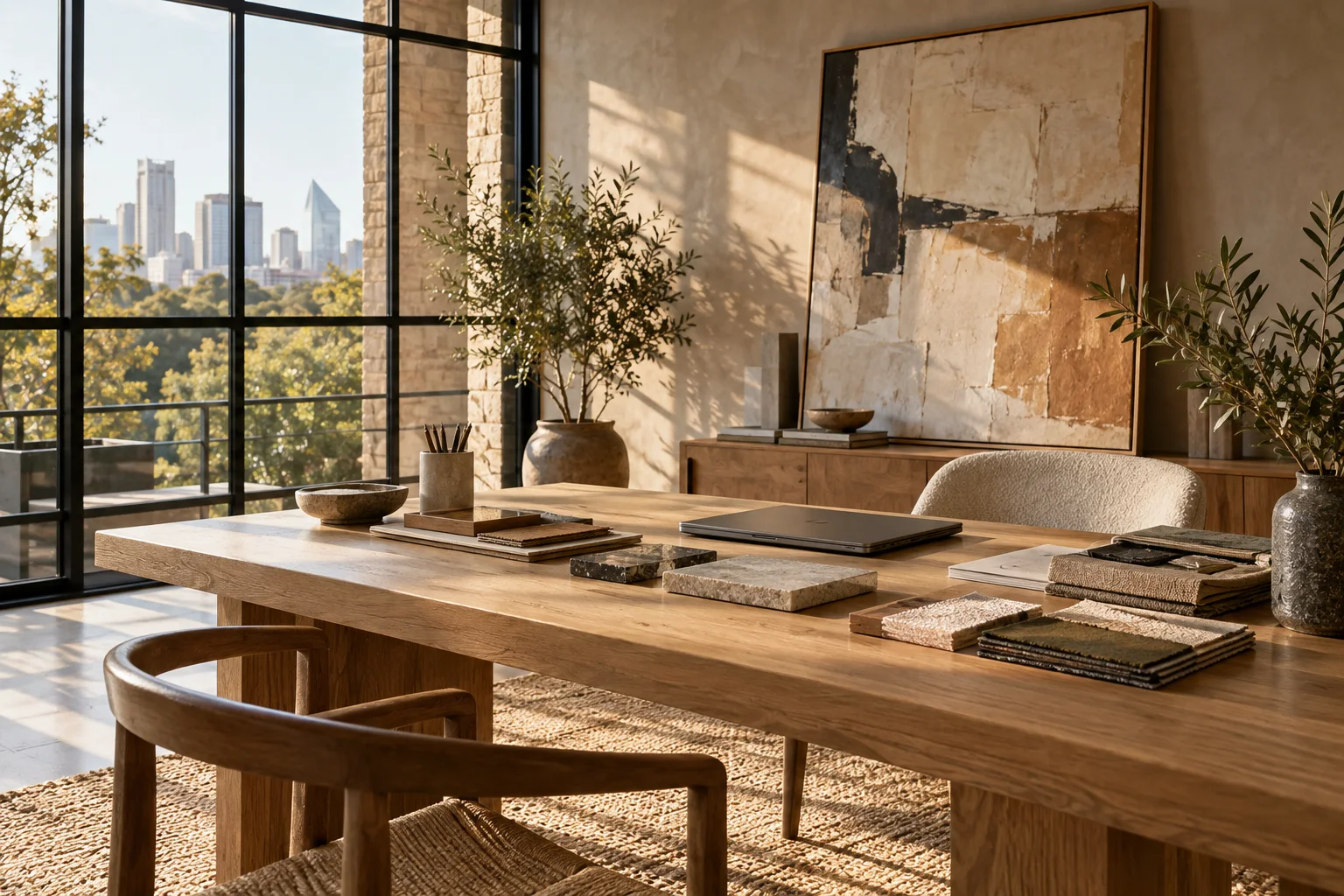
A perfectly leveled floor or a seamless countertop can anchor the entire feel of a living space. For those who view their homes through a lens of color, texture, and light, the visual integrity of surfaces is often the highest priority. However, the desire for a specific look can sometimes collide with the practical state of the materials themselves.
The Visual Pull of the Surface
It is easy to become preoccupied with the immediate appearance of a room. You might notice a dulling sheen on a hardwood floor or a slight discoloration in a stone surface that disrupts the clean lines of your interior design. The instinct is often to seek a solution that restores that immediate, polished glow. This preference for visual harmony is a significant part of how we experience our private environments, turning a house into a curated space.
For example, if you have spent months selecting a specific shade of walnut for your dining area, seeing those tones fade or scratch can feel like a fundamental disruption to your home's character. The temptation is to find a quick way to bring that luster back to exactly how you remember it.
Weighting Appearance Against Substance
The central tradeoff in home maintenance involves balancing these aesthetic desires against the underlying condition of the material. A surface may look flawed, but the flaw might be skin-deep. Conversely, a surface might look acceptable under dim evening lighting, while hiding structural irregularities that a closer inspection would reveal. Choosing to prioritize a purely cosmetic fix might satisfy the eye today, but it may not address the reason the surface changed in the first place.
There is a meaningful difference between a treatment that adds a layer of beauty and a process that restores the integrity of the material. One focuses on the way light hits the surface, while the other focuses on the longevity of the substrate. Deciding which path to take depends on whether you are seeking a temporary visual lift or a long-term structural renewal.
Inquiring Into the Process
Before committing to a specific aesthetic outcome, it is necessary to understand the scope of the work required to achieve it. Rather than assuming a certain finish will solve every visual grievance, you might consider asking a specialist how their proposed method addresses the specific wear patterns you have observed. Ask how the chosen finish will interact with the existing material over time, and whether the process involves only the top layer or reaches deeper into the structure.
It is also helpful to ask what the expected lifecycle of the new finish will be compared to the current state. Does the recommendation account for the specific way the room is used, such as high foot traffic or exposure to sunlight? By moving past the initial desire for a specific look and focusing on the mechanics of the restoration, you can ensure that your visual preference is supported by a lasting, practical foundation.