This is a paid partner contribution. Commercial relationships are disclosed so readers can distinguish sponsored content from editorial guides.
A new sign sits at the intersection of several different roles. It is a visual centerpiece for a storefront, a physical object that must be mounted to a structure, and a piece of branding that must match a company's identity. Because a single project often involves designers, property owners, and installers, the person overseeing the project must act as the central hub for information to ensure the final result matches the initial vision.
Managing the Moving Parts
When you decide to invest in outdoor business signs Dallas, you are often managing a small group of stakeholders. You might be working with a graphic designer to finalize colors, a landlord to discuss mounting locations, and a vendor to handle the fabrication. If the designer chooses a specific shade of blue but the installer is working from an outdated color swatch, the discrepancy becomes visible the moment the sign is hung.
To prevent these gaps, keep a centralized folder of all approved proofs, material samples, and site measurements. Sharing the same set of documents with every person involved helps ensure that the person measuring the wall is looking at the same dimensions the designer used for the layout.
The Tradeoff of Speed and Customization
Every project involves a choice between standardized options and highly bespoke designs. For example, if you choose a pre-fabricated sign from a standard catalog, the process might move quickly because the dimensions and mounting hardware are already established. However, you may find that the sign does not perfectly complement the unique architecture of your building.
Conversely, a custom-built sign offers a precise fit for your specific aesthetic, but it requires more coordination. You will need to confirm that the custom weight of the sign is compatible with your building's exterior and that the mounting requirements have been communicated to everyone on the team. Ask the provider how they handle the hand-off between the design phase and the physical installation to ensure nothing is lost in translation.
Preparing for the Consultation
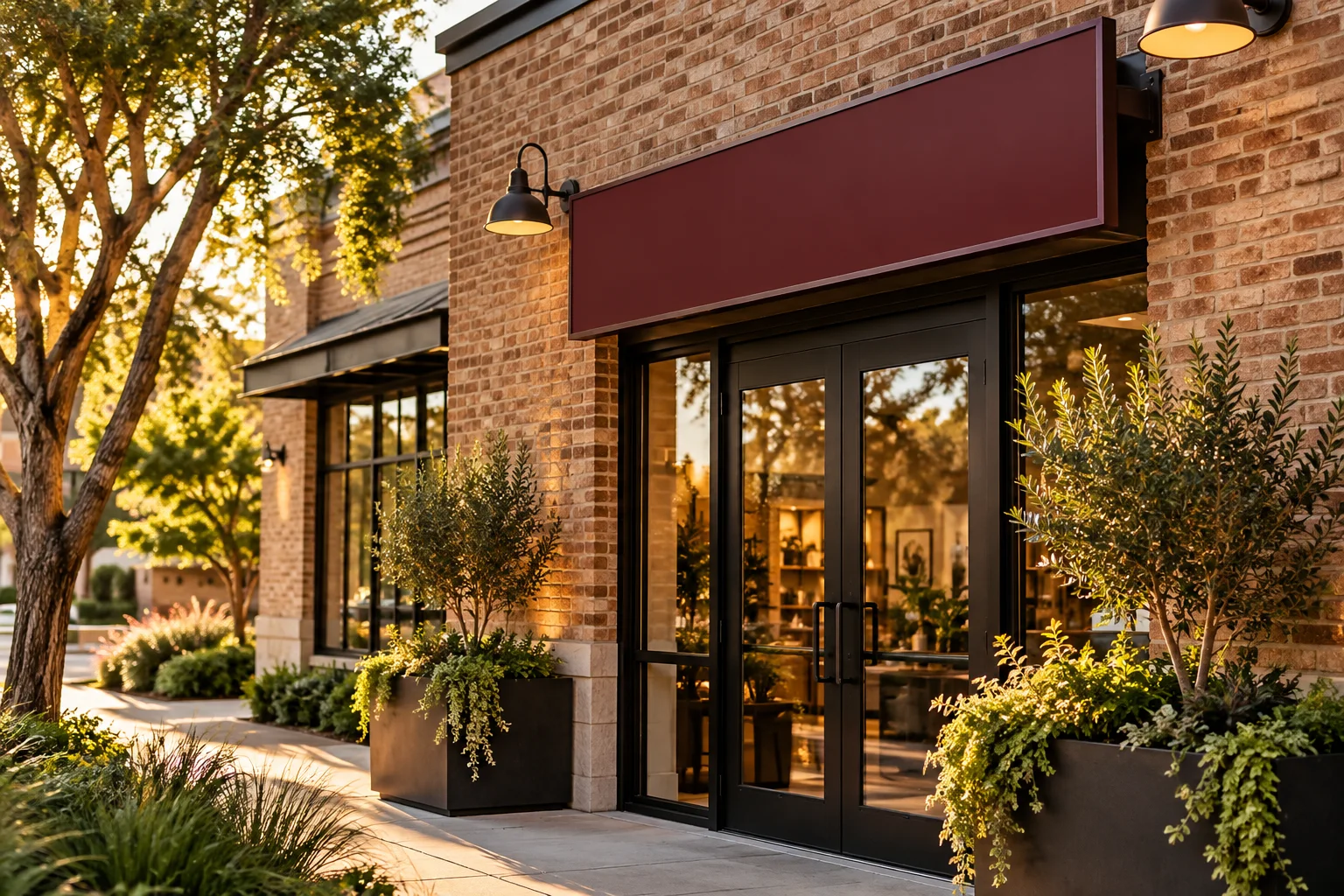
Before meeting with a signage professional, gather the physical details of your space. Having photos of the intended installation site and a clear understanding of your brand guidelines will make the conversation more productive. Instead of general ideas, bring specific constraints, such as the exact height of the mounting area or the specific textures of the wall surface.
Prepare a list of questions regarding the timeline and the specific roles each party will play. You might ask who is responsible for verifying the site measurements and who will oversee the final placement once the sign arrives. For updates on local projects or industry shifts, you can check for news from FASTSIGNS Fair Park. By organizing your information and clarifying responsibilities early, you can move from a concept to a finished installation with fewer surprises.