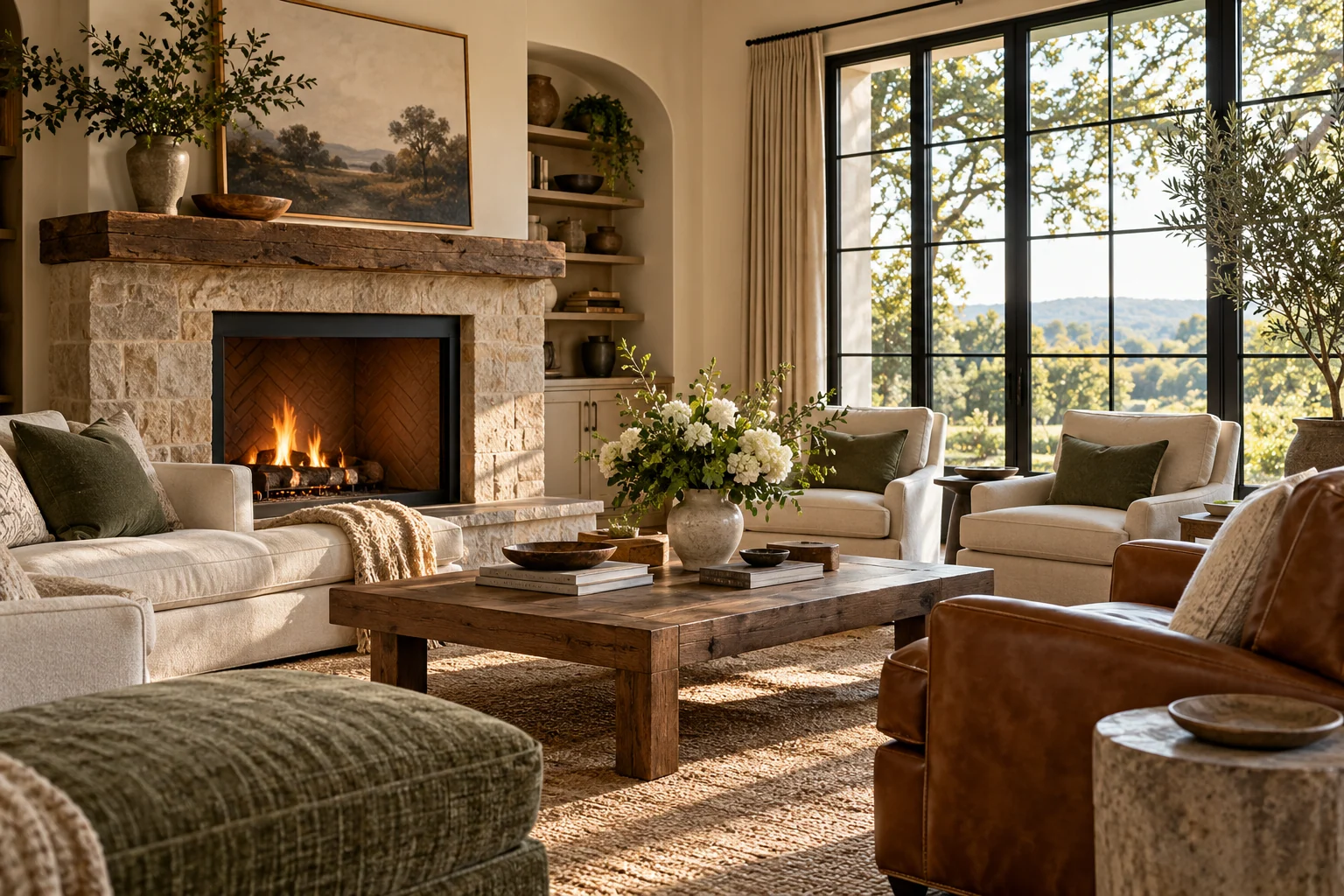
A sleek, minimalist kitchen island or a high-end, designer lighting fixture can transform the atmosphere of a Texas home. These objects offer more than just utility; they provide a visual language that reflects a person's sense of style and order. However, when the desire for a specific aesthetic meets the reality of shifting life commitments, the decision of how to allocate funds becomes a complex negotiation between the eye and the calendar.
The Weight of Visual Preference
For many, the environment is a primary driver of daily satisfaction. You might find yourself drawn to a specific material, a particular shade of matte finish, or a furniture silhouette that feels uniquely "you." This visual preference is not a triviality; it is a reflection of how you wish to experience your private spaces. The challenge arises when this preference exists in a vacuum, disconnected from the logistical realities of the coming months.
For example, imagine you have spent weeks admiring a set of custom, hand-crafted cabinetry that perfectly complements your vision for a modern dining area. The aesthetic is flawless, and the tactile quality is undeniable. However, you are also aware that your household is preparing for a significant transition, such as a change in family size or a planned relocation to a different part of the city. The cabinetry is a beautiful commitment, but it represents a fixed element in a landscape that may soon shift.
Balancing Beauty and Commitment
The core tradeoff lies in the tension between immediate sensory gratification and long-term flexibility. Investing heavily in a highly specific aesthetic can lock you into a particular lifestyle or physical space. While the satisfaction of a perfectly curated room is high, the cost of that satisfaction is often a reduction in the resources available for the unpredictable needs that arise during major life transitions. You must decide whether the visual harmony of your current surroundings outweighs the benefit of maintaining a more fluid financial posture.
Clarifying the Unknowns
To move past the feeling of indecision, it helps to move the conversation from "what I want" to "what I know." Start by listing your stated priorities alongside your upcoming commitments. This allows you to see where your aesthetic desires sit in relation to your scheduled life events. When the numbers or the timelines feel blurry, it is time to seek clarity rather than making an assumption.
Ask a qualified financial professional how your current spending intentions align with your documented long-term goals. You might also ask how much flexibility you should maintain to account for the variables you cannot yet see. By recording these decisions and the questions that remain unanswered, you turn a vague sense of conflict into a structured plan. The goal is not to abandon your style, but to ensure that your visual preferences do not inadvertently compromise your ability to meet your next major milestone.