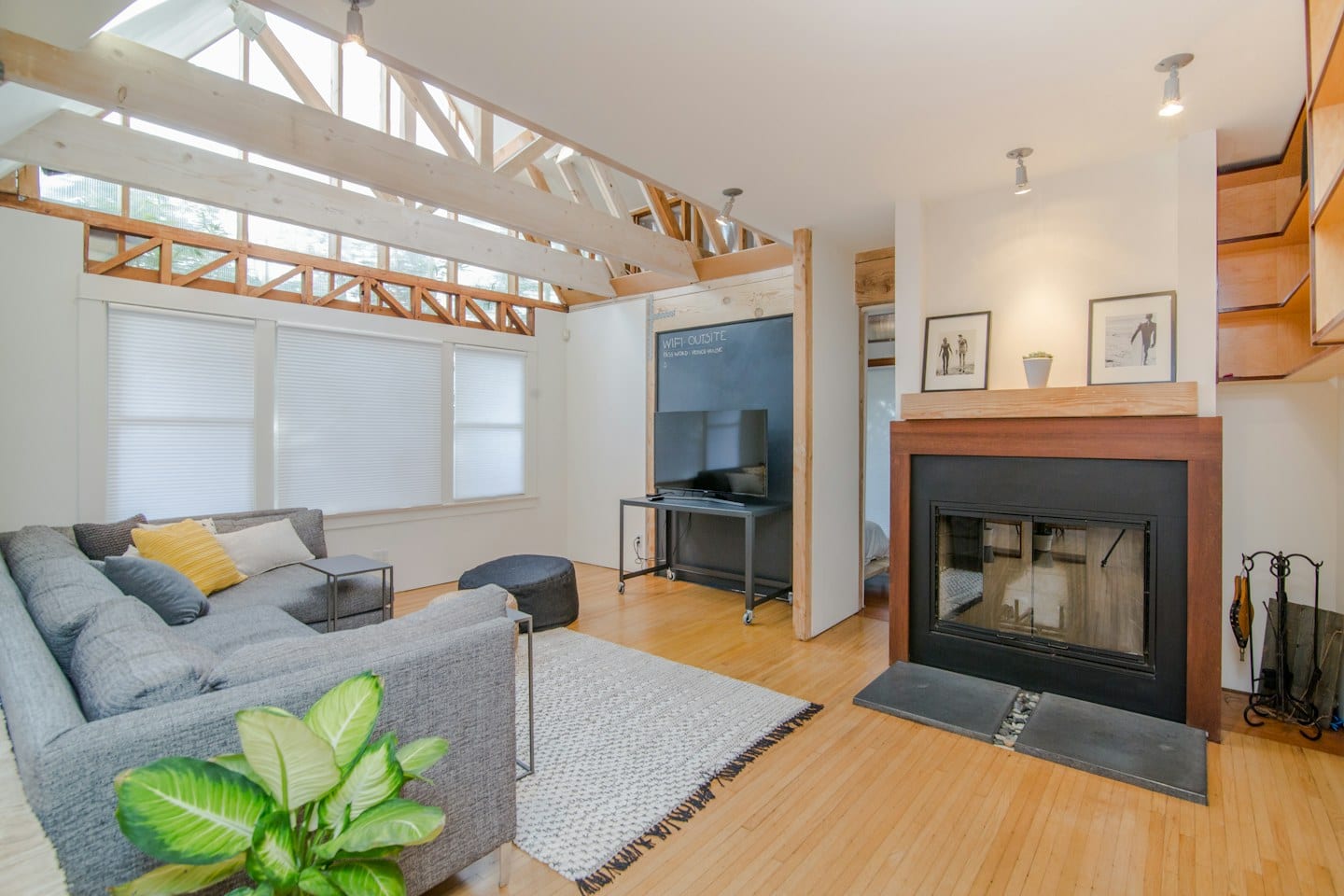
A new sofa or dining table often arrives not just as a piece of furniture, but as a physical manifestation of a household's current priorities. In many Texas homes, the living space serves as a multi-functional hub for everything from quiet reading to loud weekend gatherings. When two people attempt to select these central pieces together, the process can quickly shift from excitement to a series of compromises that satisfy no one.
Aligning Daily Rhythms
Conflict often arises when one person prioritizes aesthetic elegance while the other focuses on durability or immediate comfort. To bridge this gap, move the conversation away from abstract styles and toward concrete observations of how the space is actually used. Instead of debating whether a velvet or leather texture is superior, discuss the frequency of spills, the presence of pets, or the number of people who sit in the room at once. Ask each other how the piece will accommodate your specific routines on a Tuesday evening versus a Saturday afternoon.
For example, if one person envisions a sleek, low-profile sectional for a minimalist look, but the other requires a high-back chair for ergonomic support during long reading sessions, the disagreement is about function, not just taste. Identifying these specific needs allows you to look for a middle ground that addresses both the visual desire and the physical requirement.
The Immediate Need versus the Future Vision
A common tension in shared purchasing is the tradeoff between solving a present problem and preparing for a future project. This creates a difficult decision: do you buy what is needed right now, or do you hold out for something that fits a planned renovation?
Imagine you are currently using a worn-out loveseat that lacks sufficient seating for your guests. One partner argues for an immediate, high-quality replacement that fits the current layout. The other partner suggests waiting six months until you begin a planned remodel of the entire den, hoping to select a piece that matches the new floor plan and lighting. This presents a meaningful tradeoff between immediate relief and future cohesion. Buying now solves the discomfort but risks a mismatch later; waiting ensures a perfect fit but requires enduring the current inadequacy.
Building a Shared Brief
To resolve these tensions, create a shared list of non-negotiables before visiting a showroom. This list should include dimensions, material preferences, and a clear budget. If the disagreement remains centered on a technical aspect, such as the longevity of a specific fabric or the assembly requirements of a complex piece, ask the showroom representative how the material performs under heavy daily use or what the specific care requirements entail. By deciding on the criteria for success before the shopping begins, you turn a subjective argument into an objective evaluation of how each option meets your shared requirements.