This is a paid partner contribution. Commercial relationships are disclosed so readers can distinguish sponsored content from editorial guides.
The sound of heavy hail hitting a metal roof is unmistakable. Once the clouds clear and you walk out to your driveway, the visual reality of the damage often follows. Small, shallow dimples might pepper the hood, or larger, more aggressive strikes might have dented the door panels and roofline. Before you schedule a repair, the first step is deciding how to present your vehicle's condition to a professional to ensure you get an accurate assessment.
Documenting the Surface
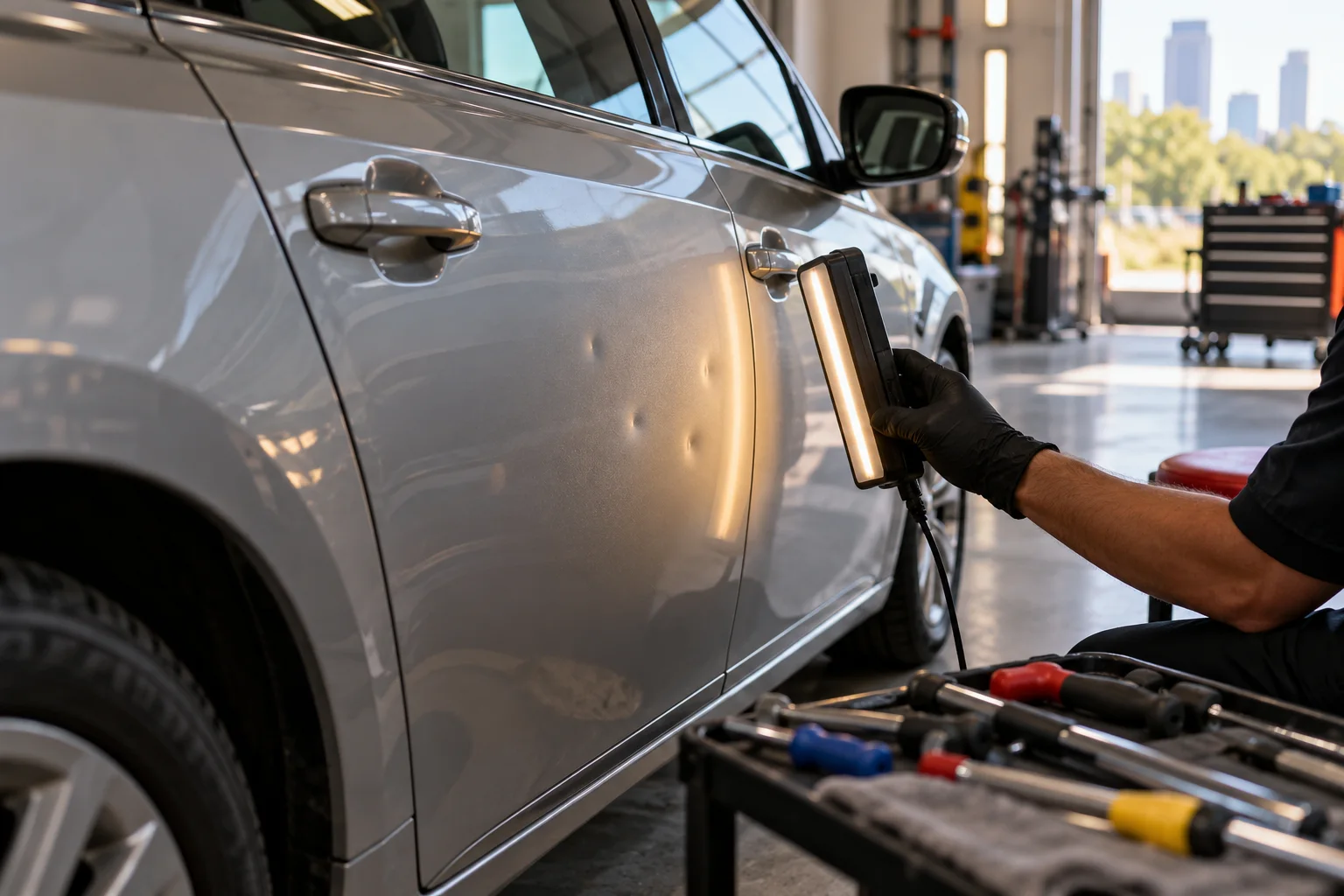
A clear understanding of the damage starts with your own observations. Instead of relying on memory, take a moment to walk around the vehicle in natural light. Look for patterns in the strikes; sometimes hail hits the horizontal surfaces like the hood and roof harder than the vertical sides. Note if any paint has cracked or if the metal feels significantly deformed in specific areas. This visual record helps you describe the scope of the work to a technician during your first call.
For example, if you notice a cluster of small dents on the passenger side door but a single, deep indentation on the trunk, having that distinction ready allows for a more precise conversation. You might also want to check if the damage extends to glass or trim components. If you are unsure about the immediate steps to take following a weather event, you can find information on what Fort Worth drivers should do after a big hailstorm.
Preparing for the Consultation
When you reach out to a repair provider, the goal is to move beyond a vague description of "hail damage." Prepare a list of specific areas that concern you. You may want to ask how the technician evaluates the depth of a dent and what methods they use to address different types of metal deformation. It is also helpful to ask about the timeline for an assessment and how they handle vehicles that require specialized attention due to the location of the strike.
A meaningful decision involves weighing the convenience of a quick estimate against the thoroughness of a detailed inspection. A rapid quote might provide immediate peace of mind, but a comprehensive look at the entire vehicle can prevent surprises later. Ask the provider how they identify damage that might not be visible at first glance, such as marks on the underside of the vehicle or near the wheel wells.
Evaluating Service Options
Every vehicle owner has different priorities, whether it is returning to the road quickly or ensuring the most precise finish possible. As you compare options, look for clarity in how the work is scheduled and how the technician communicates progress. You can gain perspective on how others have experienced these services by reading DentPicks customer reviews.
Ask the specialist who will be performing the work and what their process involves for your specific make and model. If you have questions about how they manage the logistics of the repair, such as vehicle drop-off or communication during the process, write them down before making your first call. By entering the conversation with a clear record of the damage and a set of targeted questions, you position yourself to make an informed choice for your vehicle's upkeep.