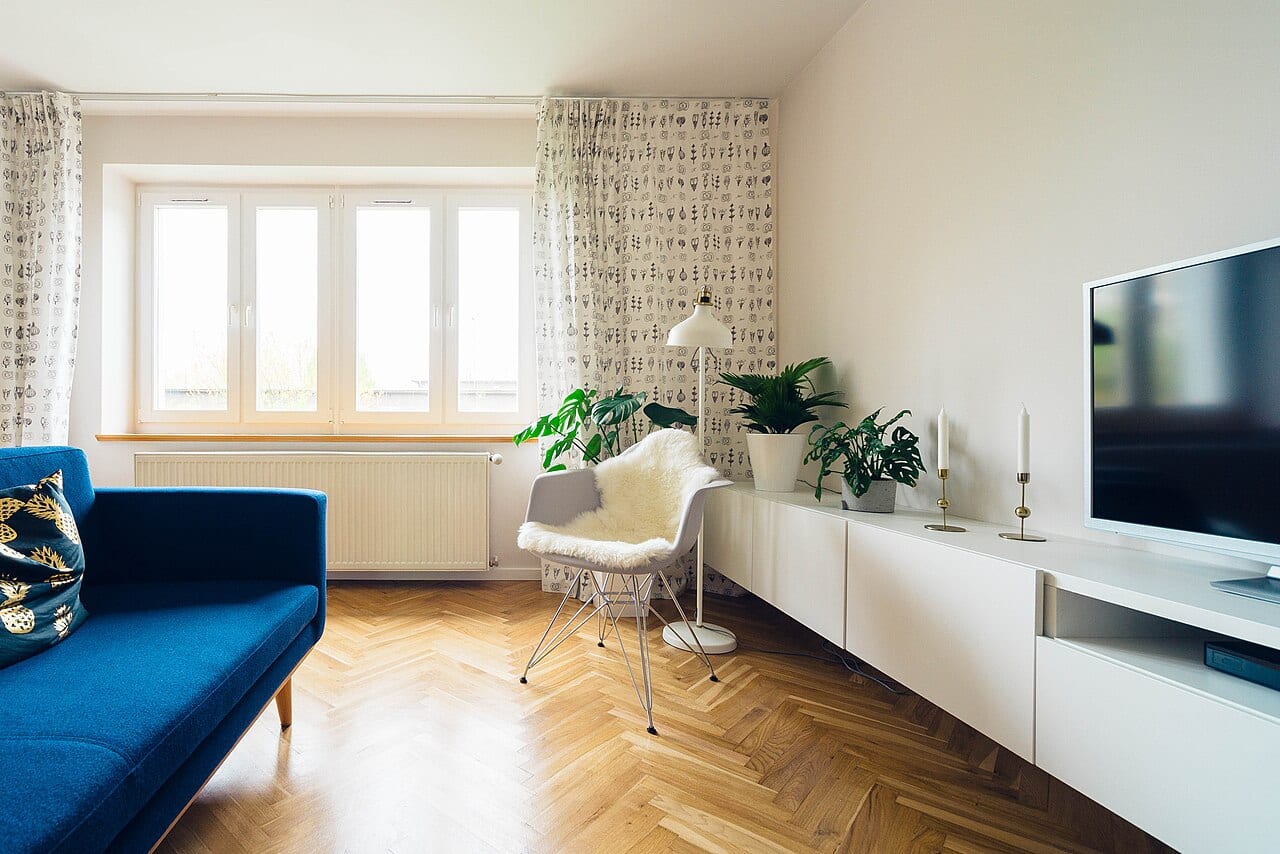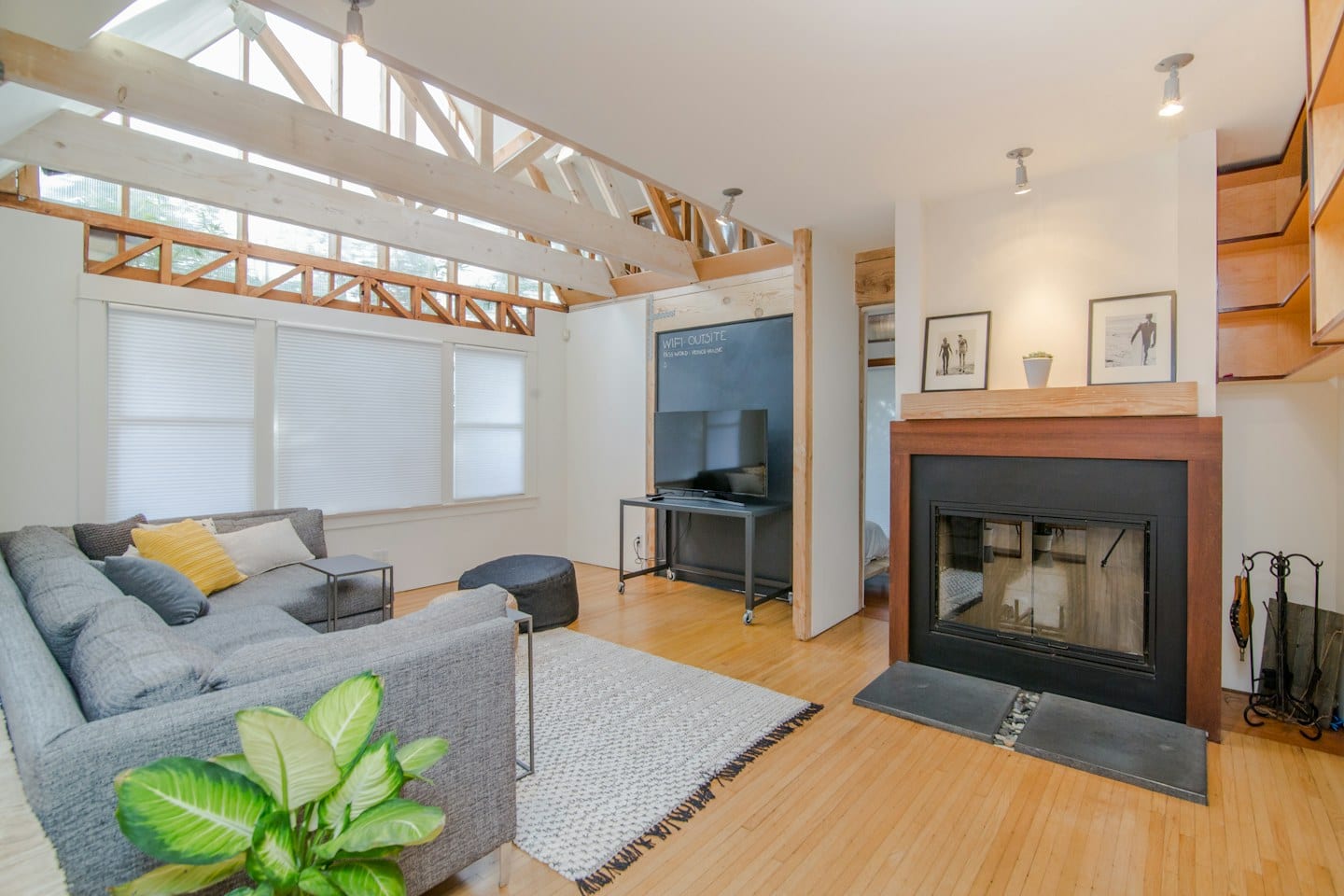
The way light enters a room can shift the entire mood of a Texas afternoon. One moment, a sun-drenched living area feels expansive and warm; the next, the glare makes reading a book or watching television an exercise in squinting. Beyond the light, there is the matter of the view. You might want to invite the outdoors in, or you might prefer a barrier that shields your evening routine from the gaze of a passing neighbor.
The Tension of Timing
When addressing window coverings, homeowners often face a choice between a quick fix and a comprehensive design plan. There is a distinct difference between addressing a single window that feels too exposed and committing to a coordinated look for an entire floor. This decision often involves a tradeoff between immediate comfort and aesthetic cohesion.
For example, if you have just moved into a new house, you might find that the bedroom lacks privacy during your morning routine. You could opt for a simple, functional solution right away to reclaim your personal space. However, choosing a temporary option now might mean that when you eventually decide to invest in a more permanent, stylized arrangement for the whole house, the original choice will need to be replaced entirely. You must weigh the relief of solving a problem today against the potential cost of starting over later.
Observing Your Environment
Before meeting with a supplier, spend time observing how your rooms behave throughout the day. Notice where the harshest light hits at noon and how much visibility exists from the street when your lights are on at night. Consider whether you prioritize the ability to darken a room completely or if you prefer a soft, filtered glow that maintains a connection to the daylight.
Think about the textures and colors already present in your home. A window treatment is not just a utility; it is a visual layer. It can soften the hard lines of a modern room or add a sense of weight and tradition to a more casual space. Determine if you want the coverings to blend into the walls or act as a focal point that draws the eye.
Conversations with Suppliers
Once you have identified your priorities, you can approach a professional to discuss possibilities. Rather than focusing on technical jargon, focus on the lifestyle requirements you have observed. Your goal is to find a solution that meets your functional needs while respecting your design intent.
Ask the supplier how their recommendations address the specific light and privacy challenges you identified in your rooms. Inquire about the different ways a material might behave over time in a bright environment. You might also ask how various options can be operated and whether they allow for the specific level of control you desire. By focusing on how the product fits your daily life, you can move toward a decision that serves both your immediate comfort and your long-term home goals.