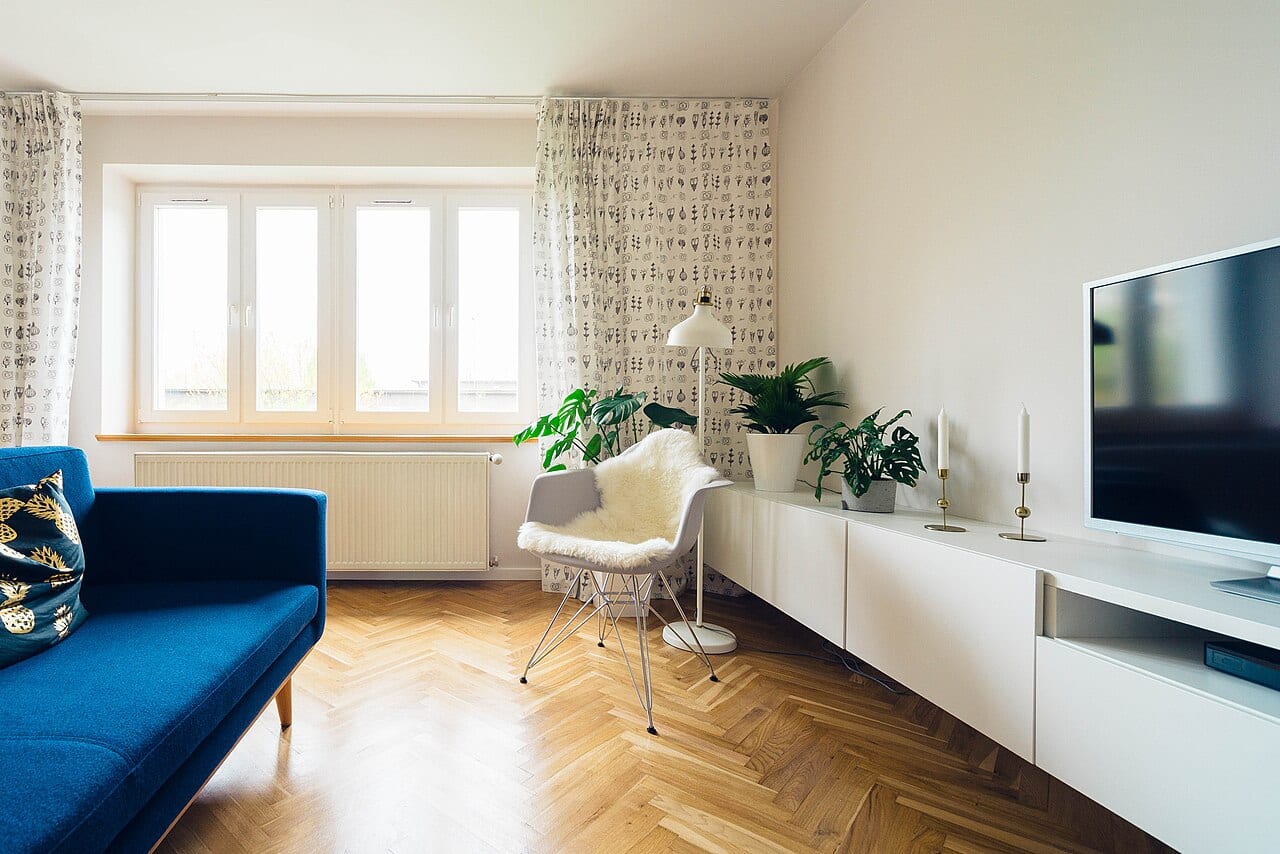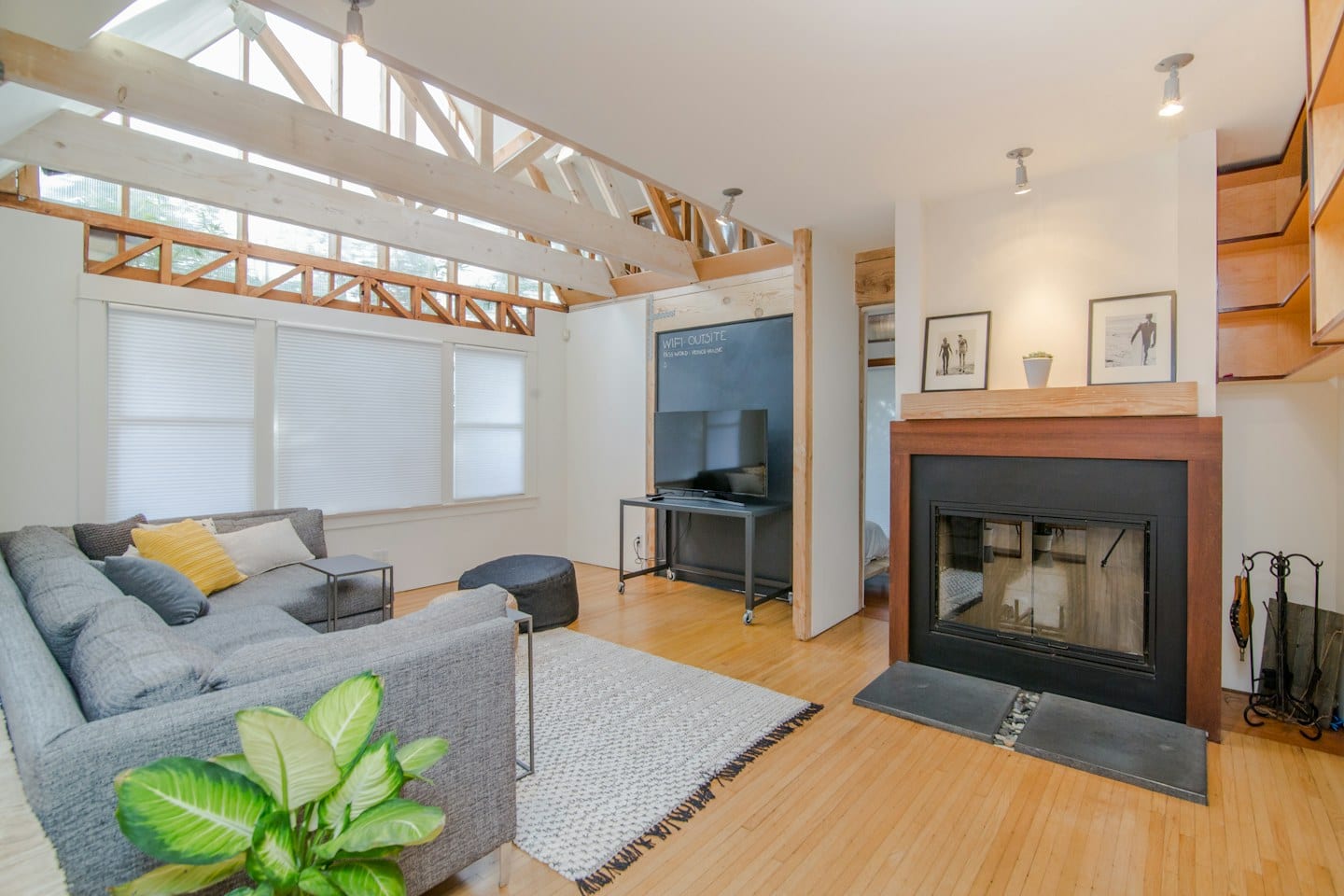
A single room in a shared rental can often feel like a transient space, a mere stopover between more permanent residences. For many renters, the desire to settle in is met with a recurring mental loop: the decision to invest in decor or furniture is made, then reconsidered, then shelved again. This cycle of indecision often stems from the friction between wanting a curated environment and the constraints of a lease that forbids permanent alterations.
The Weight of Temporary Choices
The hesitation to commit to a desk, a rug, or a bookshelf often feels like a way to maintain flexibility, but it can lead to a living space that feels unfinished and uninspired. The tradeoff lies in the balance between portability and stability. Lightweight, modular pieces are easy to move during a transition, but they may lack the presence or durability of heavier items. Conversely, a substantial wooden dresser provides a sense of permanence and much-needed storage, yet it presents a logistical challenge when the moving truck arrives.
For example, if you are deciding between a set of lightweight plastic storage bins and a tall, freestanding shelving unit, you are weighing immediate ease of movement against long-term organizational utility. The bins are effortless to transport, but the shelving unit defines the room's layout and offers a more intentional aesthetic.
Layering Without Alteration
Creating a sense of place does not require a hammer or a bucket of paint. Instead, focus on elements that sit atop the existing surfaces. Textiles can transform the acoustics and warmth of a room; a heavy area rug can mask worn flooring, while floor lamps can replace harsh overhead lighting with a softer glow. Storage can also be elevated through non-permanent means. Freestanding wardrobes, decorative baskets, and tension-rod shelving allow you to organize your belongings without ever touching a nail to the drywall.
When selecting these items, consider how they interact with the existing architecture of the room. A mirror leaned against a wall can expand the perception of space, providing the visual impact of a hanging piece without the need for hardware.
Navigating Management Expectations
Before committing to larger pieces or any method of securing items to the room, it is wise to clarify the boundaries of your arrangement. Rather than assuming what is permitted, direct your inquiries toward the people who oversee the property. Ask management which specific types of wall-mounted organizers or adhesive solutions they allow. Inquire if there are preferred methods for securing heavy furniture to prevent tipping, and ask who would be responsible for addressing any marks left by freestanding items.
Breaking the cycle of indecision requires moving from the abstract idea of a "nice room" to the concrete reality of what you will actually use. Once you have asked the necessary questions about what the property allows, the choice becomes less about potential conflict and more about how you want to live within your current walls.