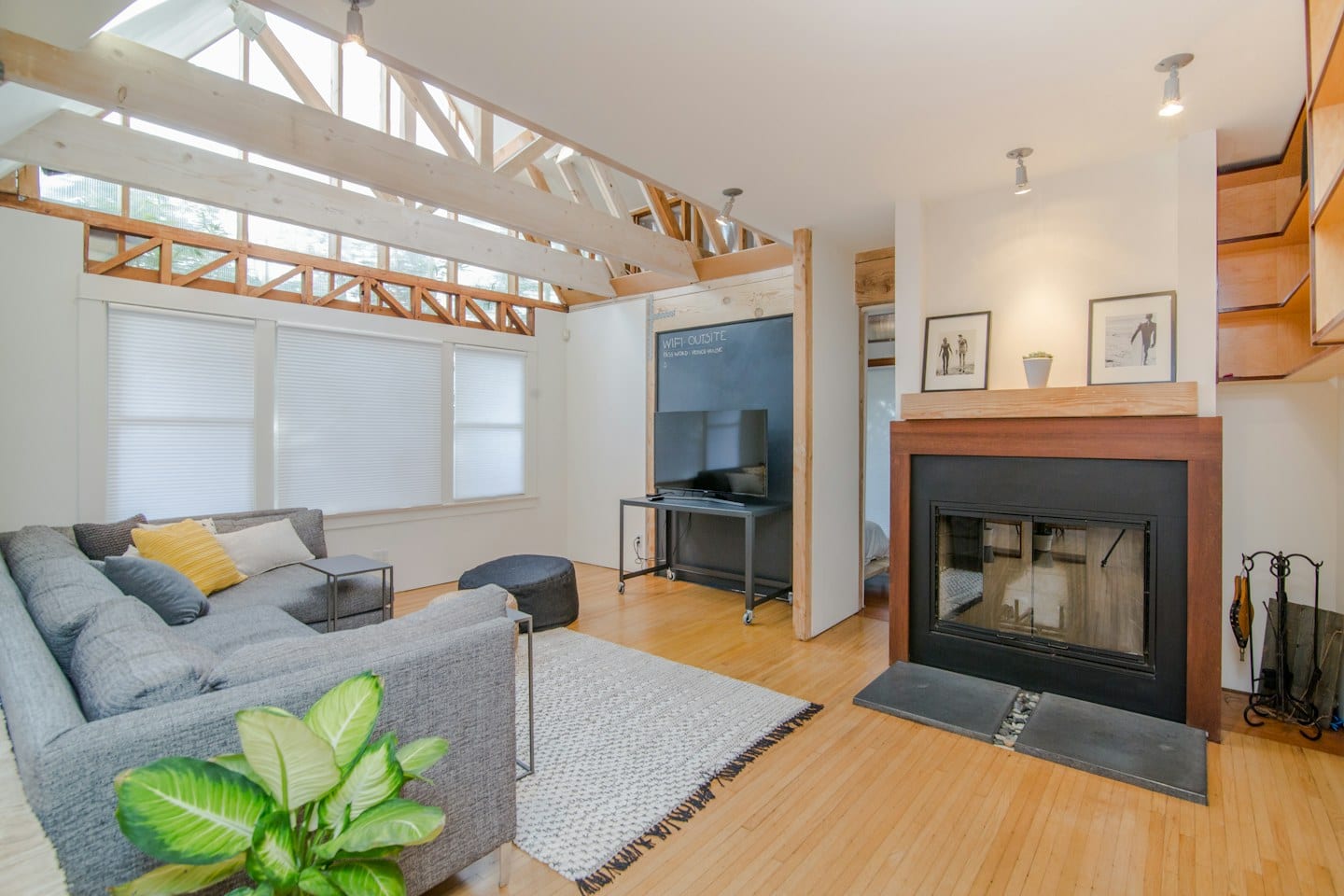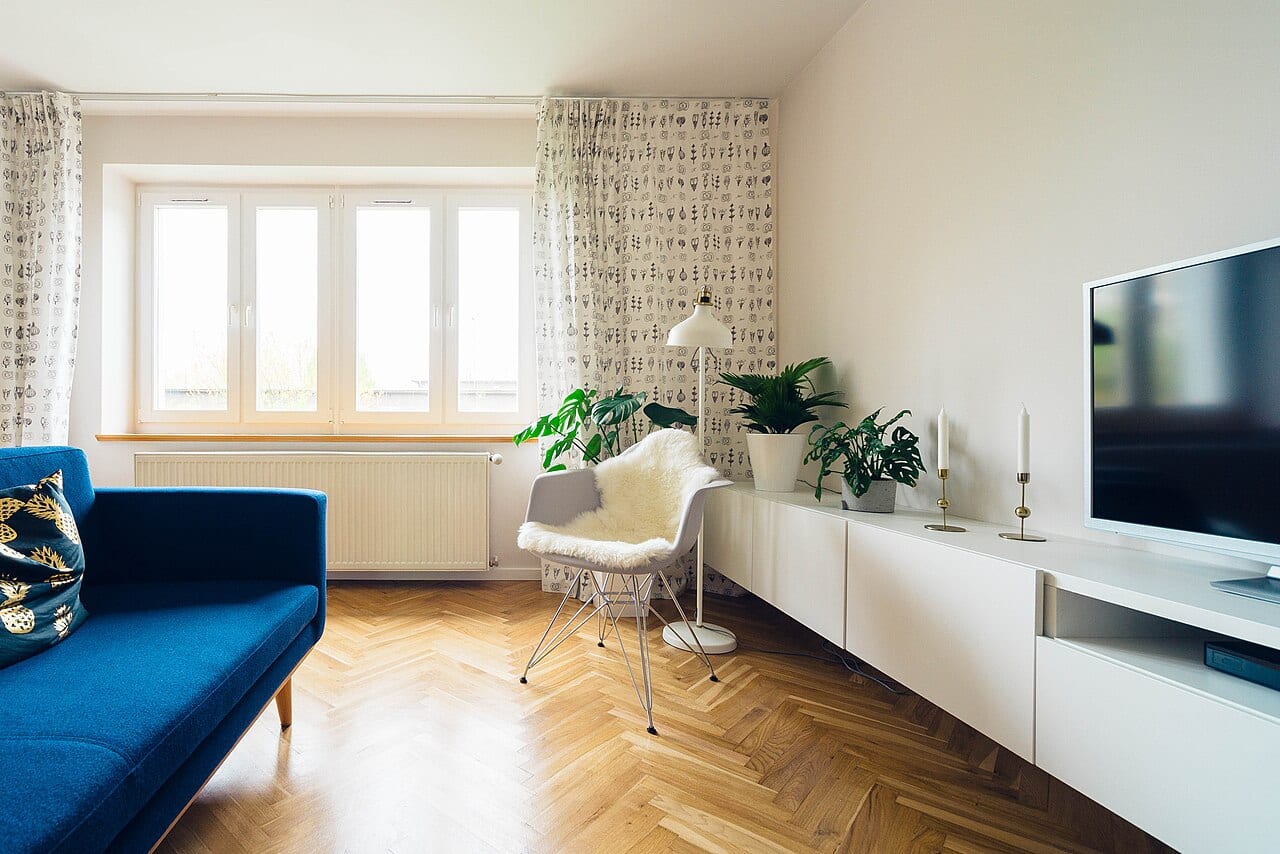
A sun-drenched window seat or a velvet armchair tucked into a shadowed alcove can feel like the perfect sanctuary. For many, the decision to claim a specific spot in the house is driven by a visual instinct—the way the light hits a certain texture or how a particular view aligns with the eye. However, a space that looks serene in a photograph may behave quite differently when the afternoon heat settles in or the neighborhood activity peaks.
The Visual versus the Vital
It is easy to fall in love with a corner based solely on its geometry or color palette. You might find a nook that offers a stunning perspective of a garden or a streetscape, providing a sense of openness that appeals to your aesthetic sensibilities. Yet, there is a tradeoff between what is pleasing to look at and what supports your actual routines. A space can be visually magnificent but practically disruptive if it sits directly in the path of a high-traffic hallway or adjacent to a room where the television is a constant presence.
Consider the subtle shifts in a home throughout the day. A corner that feels tranquil during a quiet morning might become a source of distraction when the sun reaches a certain angle or when the evening wind rattles a nearby pane. The goal is to find a location where the visual reward outweighs the sensory interruptions of your specific household.
Testing the Flow
Before committing to heavy furniture or permanent changes, observe how the space interacts with your movement. For example, if you intend to use a corner for reading or quiet reflection, watch how often people pass by that specific spot. If you find yourself constantly shifting your posture to avoid a doorway or a pet's path, the visual appeal may eventually lose its luster.
One way to test a location is to utilize a movable setup. Instead of placing a heavy reading chair in a fixed position, try using a lightweight stool or a folding chair in that spot for a few days. This allows you to experience the corner during different hours—early morning, mid-afternoon, and late evening—without the permanence of a major furniture arrangement. You can notice if the light becomes too bright or if the proximity to the kitchen makes it difficult to remain settled.
Refining the Choice
If you find that a particular spot is visually perfect but lacks the necessary stillness, you might need to reconsider the arrangement rather than abandoning the location entirely. Ask yourself if the interruptions are something you can navigate or if they fundamentally clash with your needs. If you are considering permanent modifications to improve the environment, ask a specialist how different materials or layouts might affect the atmosphere of the room. Ultimately, the best corner is not just the one that looks the best, but the one that remains a sanctuary even when the rest of the house is in motion.