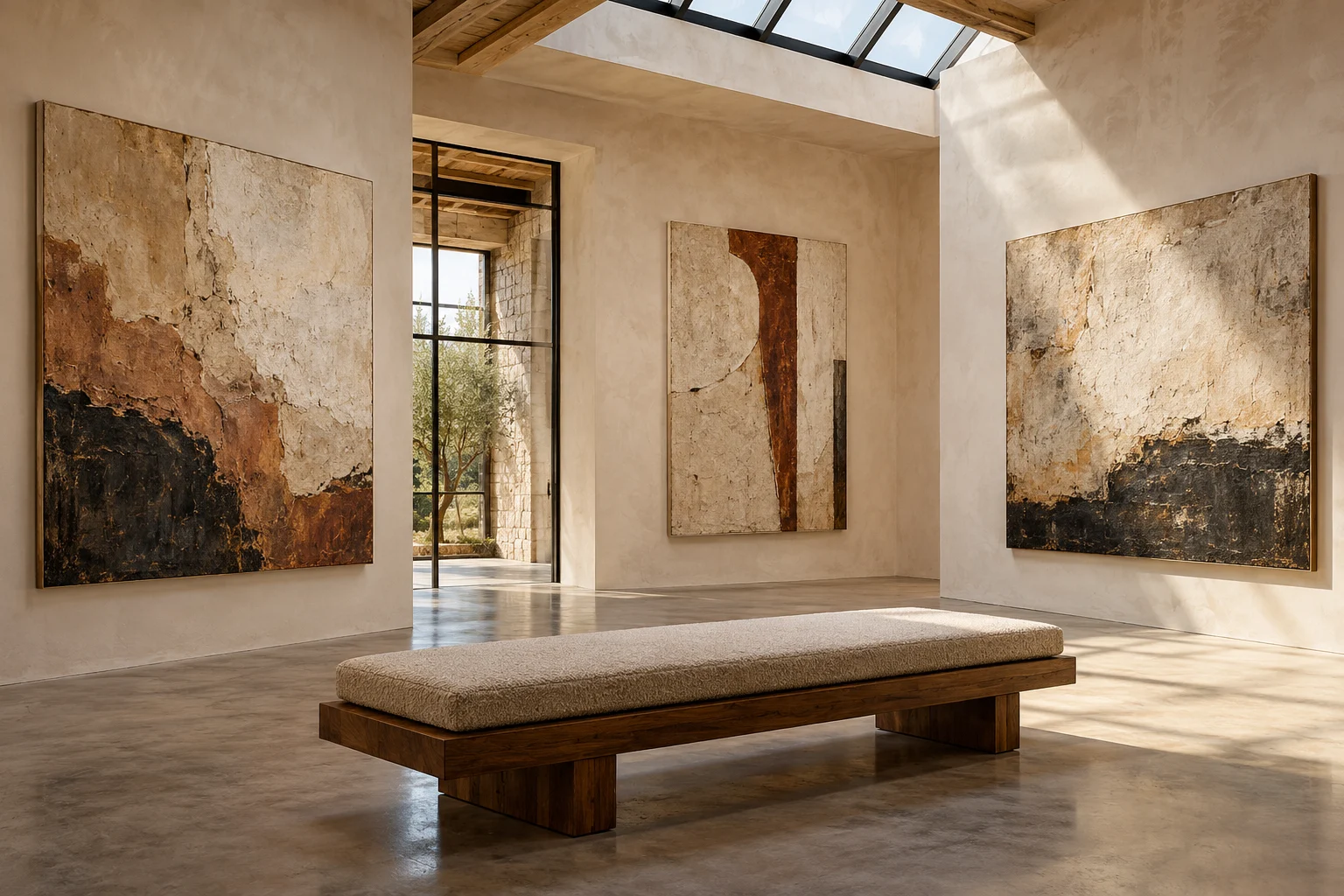
A flyer for a pottery class or a social media post for a watercolor session can feel like an invitation to a new lifestyle. The aesthetic is often seamless: soft lighting, organized tables, and the quiet hum of focused creativity. For those who find joy in visual harmony, the allure of these spaces is immediate. You see the finished product and imagine it sitting on your mantle, a testament to a peaceful afternoon spent making.
The Gap Between Vision and Reality
There is a specific tension for the person who values visual order but is unsure of their own tactile proficiency. You might be drawn to a workshop because the imagery suggests a serene, meditative environment, yet you harbor unspoken concerns about the physical reality of the craft. A person with a strong preference for clean lines and organized spaces may find the sudden presence of splattered clay or messy pigments a source of quiet stress rather than relaxation.
For example, if you are drawn to a woodworking session because you love the look of mid-century modern furniture, you might find yourself at odds with a workspace filled with fine sawdust and heavy, unrefined timber. The tradeoff involves deciding whether the goal is the mastery of a messy process or the simple enjoyment of a structured social hour. One requires embracing chaos, while the other prioritizes the environment.
Clarifying the Creative Process
To navigate this, look past the curated photos and seek specifics about the session itself. Ask the organizer exactly what the primary activity entails for a beginner. Is the focus on a single, repetitive motion, or is it a broad introduction to various techniques? Knowing the scope helps you decide if the pace matches your expectations.
Inquire about the materials provided and whether you are expected to bring anything of your own. If you have specific preferences regarding the tools used or the types of media involved, ask if those can be accommodated. Furthermore, ask how the instructor manages the workspace. Understanding the level of organization in the studio can help you determine if the setting will feel supportive or overwhelming to your personal sensibilities.
Preparing for the Participation
The logistical details often dictate the actual enjoyment of the event. Ask about the physical requirements of the workshop, such as the duration of standing or the level of fine motor skill required. If you are concerned about the mess, ask what the typical cleanup process looks like and what kind of attire is recommended to protect your clothing.
Finally, ask about the accessibility of the venue. Does the space allow for easy entry, and is the seating arranged in a way that feels comfortable for the length of the session? By addressing these practicalities through direct questions, you can move from a vague interest to a confident decision, ensuring your creative outing feels as polished as the work you hope to create.