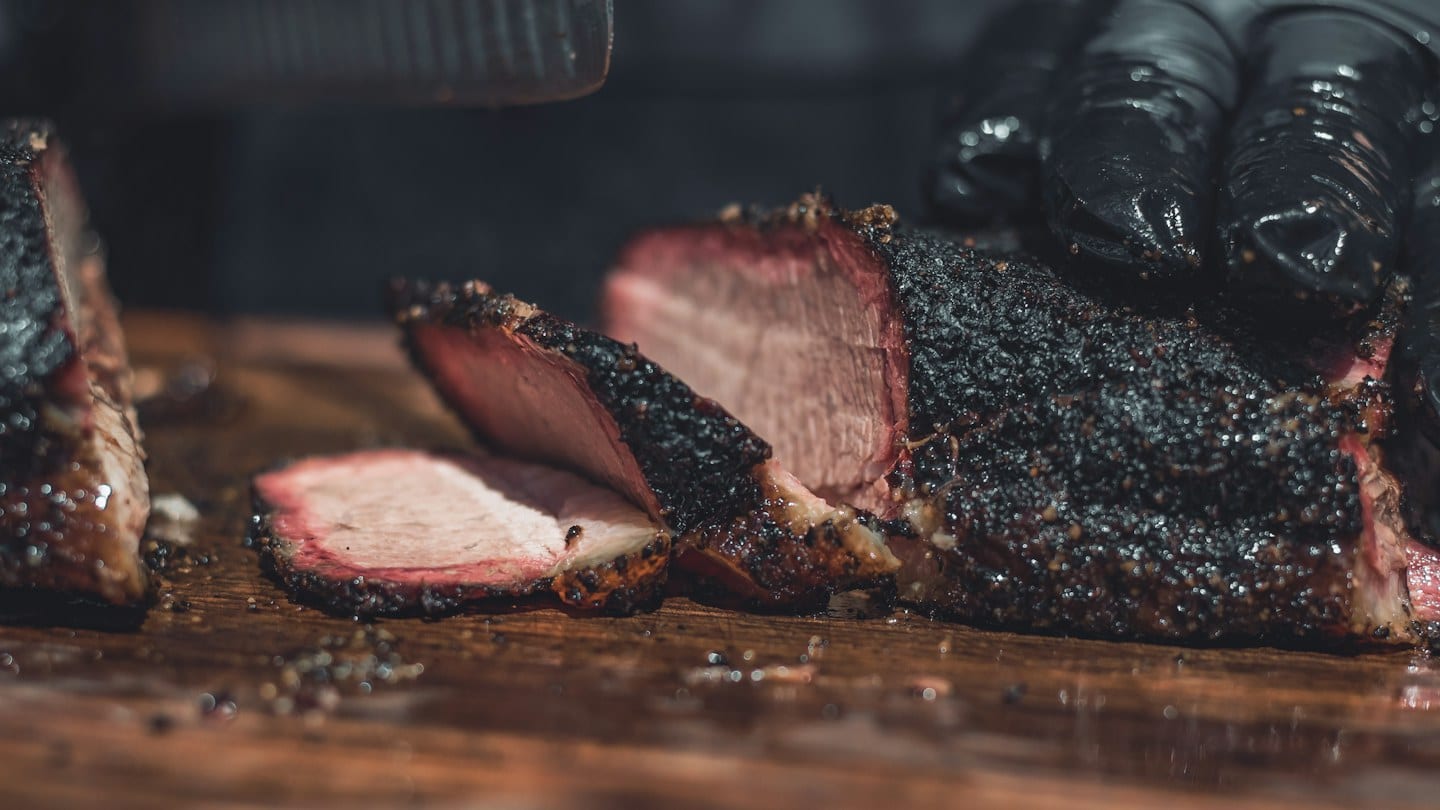
A handwritten recipe card, stained by oil and dusted with flour, is often treated as a static command. We read it as a set of instructions to be followed with precision, assuming the measurements written in faded ink are the definitive truth. However, a recipe is rarely a fixed point in time. It is a living document that shifts as pantries change, as tastes evolve, and as the person holding the pen learns something new about the heat of a Texas afternoon or the texture of a seasonal ingredient.
Tracing the Source
The first step in maintaining a meaningful culinary record is identifying the origin. When a recipe enters your kitchen, the most vital piece of information is not the quantity of salt, but the context of its arrival. Was this a method passed down through a specific lineage, or was it a transcription from a local cookbook found in a neighborhood shop? Recording the original source allows you to distinguish between the intended foundation and the deviations that follow. Without this baseline, the history of the dish becomes a blur of disconnected adjustments.
The Art of the Substitution
As we cook, we inevitably encounter the gap between the written word and the available reality. Perhaps a specific variety of pepper is unavailable at the local market, or a preferred fat has been replaced by something more accessible. These moments create a tradeoff between strict adherence to tradition and the practicalities of the present. If you make a change, the notebook becomes your most important tool for tracking that decision.
For example, if you decide to swap a heavy cream for a lighter alternative to suit a different palate, the note should reflect that specific choice. A notebook that simply says "improved version" offers no utility. A notebook that says "substituted X for Y on a Tuesday in July" provides a map. This allows you to look back and see if the change was a successful evolution or a departure that lost the essence of the original.
Capturing the Human Response
The final, and perhaps most overlooked, element of a recipe journal is the reaction of those sitting at the table. A recipe is not truly complete until it has been consumed. Recording the diner’s response—whether it was a quiet approval or a noted preference for more acidity—turns a list of ingredients into a social history. This captures the relationship between the cook, the food, and the people sharing the meal.
When deciding whether to commit to a major culinary overhaul or to stick with a familiar routine, consider what you are actually recording. Are you looking for a perfect, unchanging standard, or are you building a chronicle of your own tastes? If you find yourself questioning whether a major ingredient change is worth the effort, ask yourself if you have documented enough of the original iterations to recognize what you might be losing. The goal is not to achieve a flawless result on the first try, but to ensure that every change is a conscious step in a documented journey.