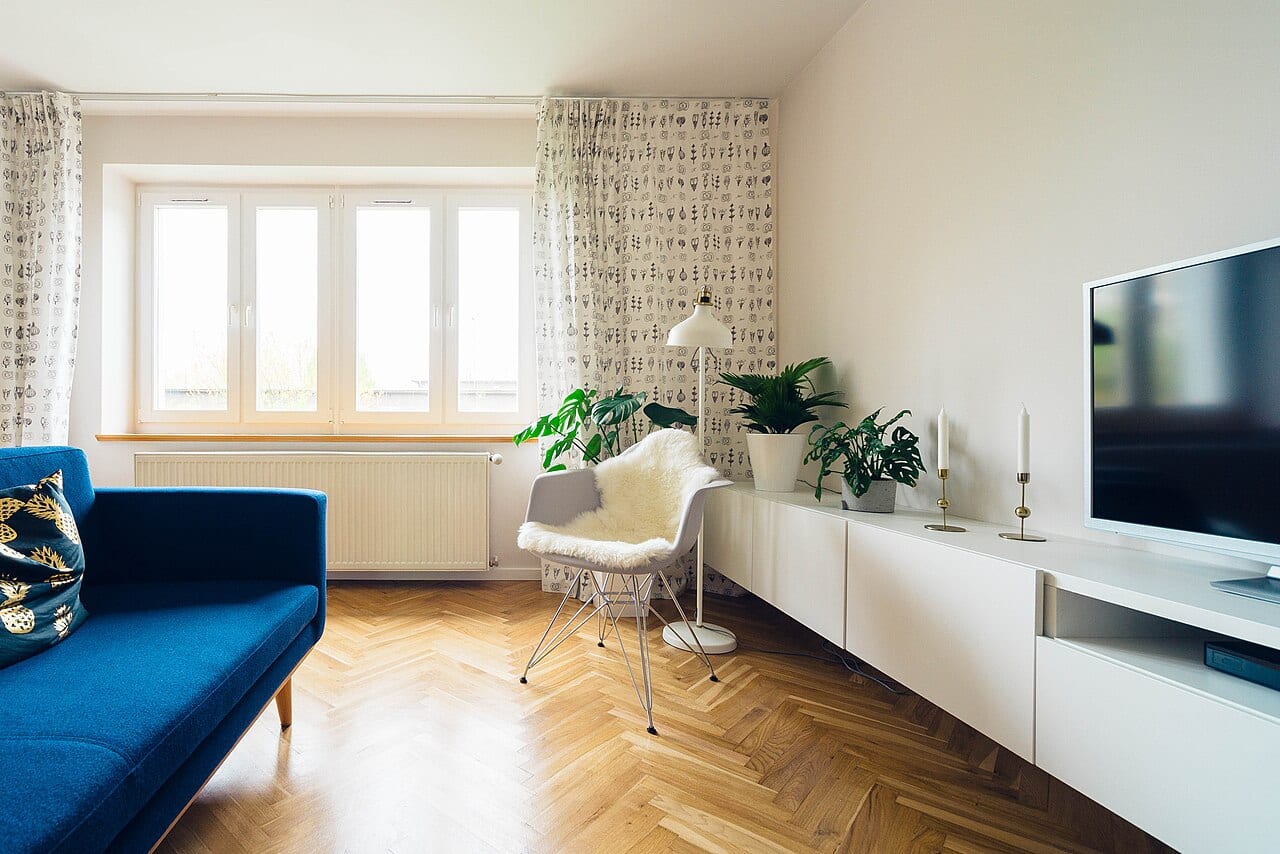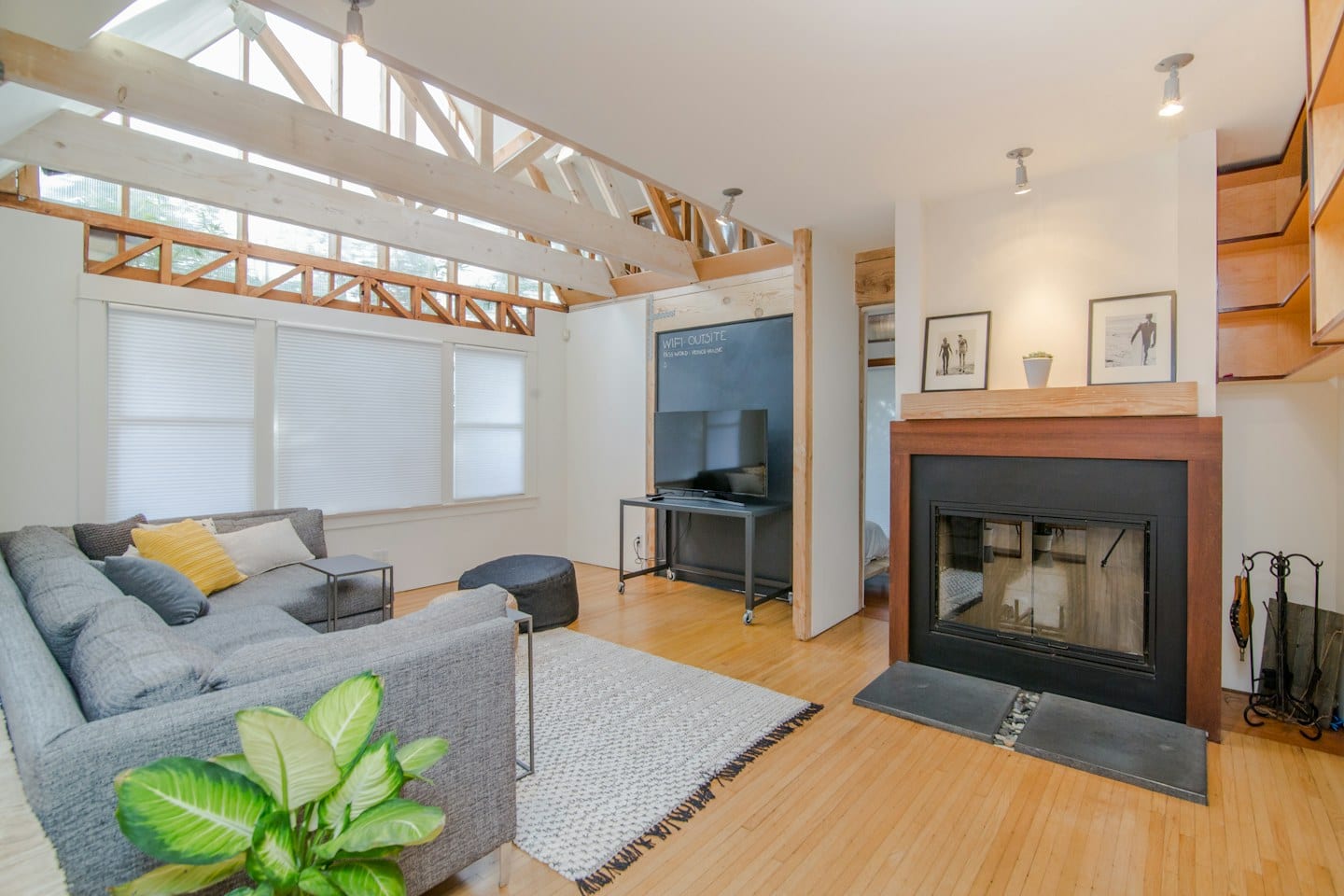
The patio door remains closed, and the outdoor furniture sits in a frustrating loop of indecision. You move the bistro set to the corner to make room for a lounge chair, only to realize the chair blocks the path to the grill. A week later, the chair is back, and the bistro set is gone. This cycle of reopening the same design decision without new information is a common stall in home improvement, especially when the space is small and every square inch feels high-stakes. Without a clear direction, the patio becomes a collection of objects rather than a functional part of your home.
The weight of a single purpose
The primary reason for this indecision is often a lack of a singular, dominant intention. When a patio tries to be a dining room, a library, and a cocktail lounge all at once, it often succeeds at being none of them. To break the loop, you must choose one primary activity that dictates the footprint of the space.
If you prioritize reading, the layout centers on a single, comfortable seat and perhaps a small side table for a drink. If you prioritize conversation, the arrangement demands facing chairs that facilitate eye contact. If you prioritize dining, the table becomes the anchor, around which all other movement must flow. For example, if you attempt to fit a four-person dining table and two oversized armchairs into a compact area, you may find that the ability to walk around the table is sacrificed for the sake of seating capacity. The tradeoff is between the number of guests you can host and the ease with which you can move through the space. Choosing one direction allows you to accept what you must give up.
Testing the physical flow
Before committing to a purchase or a permanent arrangement, use the space as it exists today. Use cardboard boxes or masking tape on the ground to mark the exact dimensions of the furniture you are considering. This allows you to observe how the objects interact with the existing architecture of your home.
Pay close attention to the transition from the interior to the exterior. A beautiful chair is a poor choice if it forces you to turn sideways to pass through the door. Observe how you move when you are carrying a tray, a book, or a heavy planter. If the path feels constricted during these routine movements, the layout requires adjustment. This physical test provides the data that your indecision has been lacking.
Inquiry and access
Once you have narrowed down a functional direction, shift your focus to the logistics of the space. Ask the retailer how the specific pieces are intended to be accessed and maintained. If you are considering built-in elements or permanent structures, ask a contractor which local approvals might apply and who would be responsible for arranging them. You should also ask a professional how the specific materials or placement might affect the existing drainage or access points of your property. By moving from abstract ideas to these concrete logistical questions, you can finally close the door on indecision and step outside to enjoy the space you have defined.