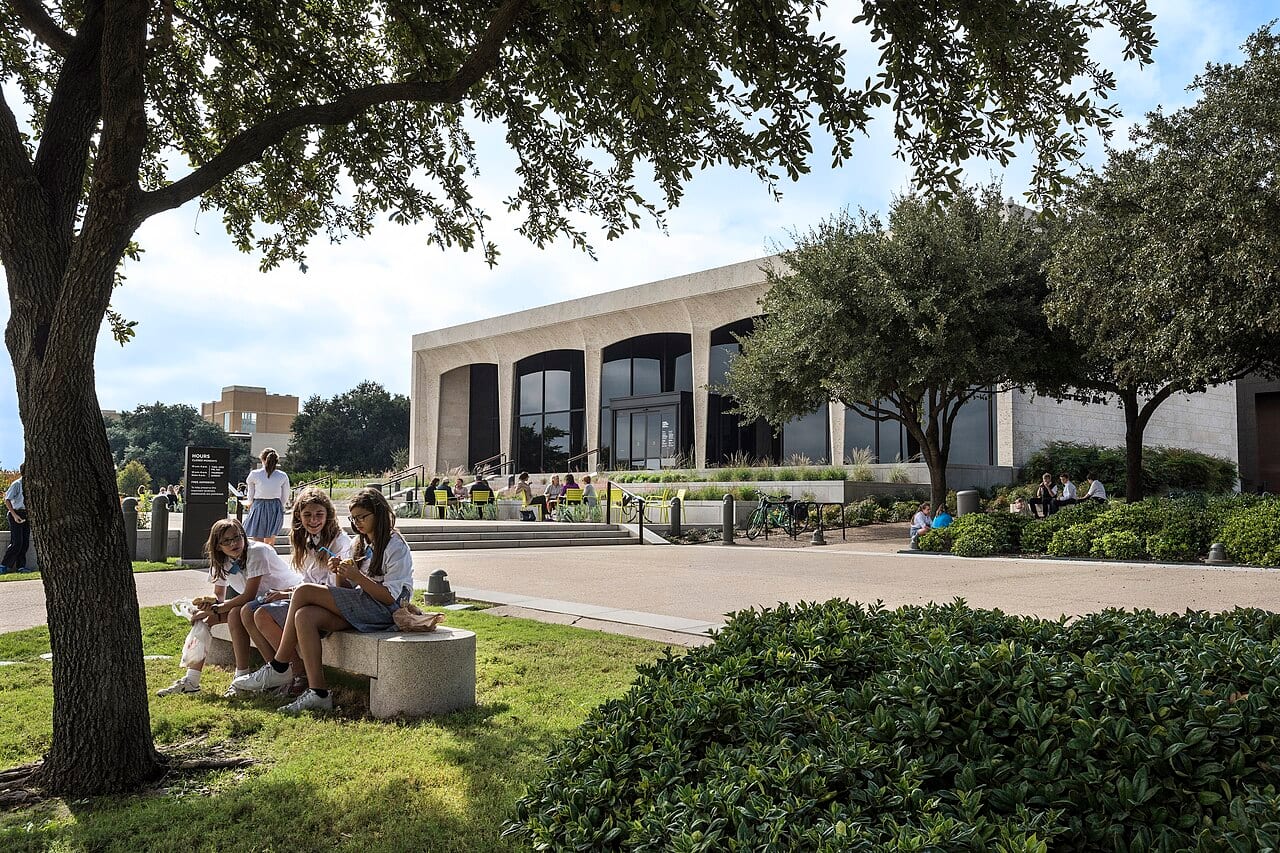
A single frame can hold an entire afternoon: the way the light hits a limestone wall in a quiet courtyard, or the specific, unposed expression of a neighbor at a street festival. For many, these photographs are digital keepsakes, tucked away in private galleries to be revisited during quiet moments. However, a decision arises when that private image moves into the public sphere, whether through a local gallery, a community publication, or a commercial project.
The shift from memory to medium
Choosing which photograph to share involves more than selecting the sharpest focus or the most vibrant colors. A photograph functions differently depending on its intended destination. A picture kept on a personal device serves the photographer’s own narrative. Once that image is used to represent a business, a cultural event, or a public sentiment, it becomes a tool for communication. This transition introduces a tradeoff between the raw, unpolished authenticity of a candid shot and the controlled, curated look of a professional composition.
For example, if you capture a striking image of a local artisan at work in their studio, you may find the photo perfectly encapsulates the spirit of the neighborhood. If you intend to use that image to help promote the artisan's business, the context of the photo changes. You are no longer just sharing a memory; you are participating in the presentation of that person's livelihood. This shift requires you to weigh the visual impact of the image against the implications of how it portrays the subjects within it.
Navigating permission and intent
When an image moves beyond personal use, the relationship between the photographer, the subject, and the viewer becomes more complex. The intent behind the photograph—whether it was meant to document a fleeting moment or to create a specific aesthetic impression—can influence how others perceive the work. Because different uses carry different expectations, it is helpful to clarify these boundaries before a photo is published or displayed.
If you are considering providing a photograph to an organization or a commercial entity, ask the recipient how the image will be utilized and where it will appear. You might also ask what specific permissions they require from the individuals captured in the frame. If the image is being used for a specific project, ask how the context of that project aligns with the original intent of your photograph.
Evaluating the visual choice
There is no single standard for what makes a photograph "good." A blurry, high-motion shot might capture the energy of a Texas summer evening more effectively than a perfectly still portrait. The value of the image lies in its ability to tell the story you intend to tell. As you decide whether to move a photograph from your private collection into a public space, consider the story the image tells on its own, and how that story might change when placed in a new setting. Determine if the visual elements of the shot support the purpose of the new environment, and seek clarity on the usage rights from the parties involved to ensure your contribution remains consistent with your original vision.